Private Chichen Itza Cenote Tours: Ruins Plus a Swim
A cool cenote swim is the natural second act after a hot morning at the ruins. Here is how to choose the right one and pair it with a private tour that runs at your pace.
At a glance: Ik Kil vs Yokdzonot vs Suytun
Entry ranges reflect our 2026 planning figures. Confirm the exact fee at the cenote or on your tour page.
Why add a cenote to your Chichen Itza day?
A cenote turns a hot morning at the ruins into a full, balanced day. After two or three hours on the exposed plaza your group is warm, and a swim in cool spring water resets everyone. On a private tour the swim is scheduled around your pace rather than a bus timetable, so nobody is hurried out of the water.
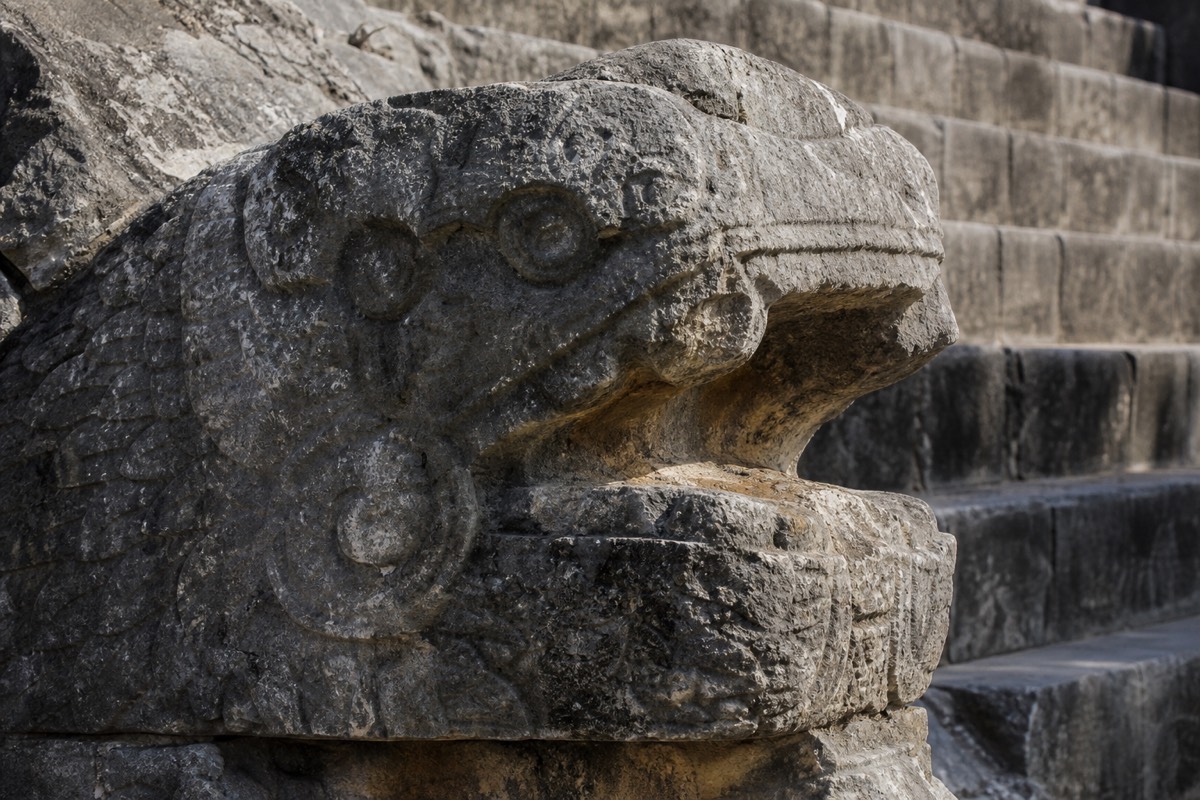
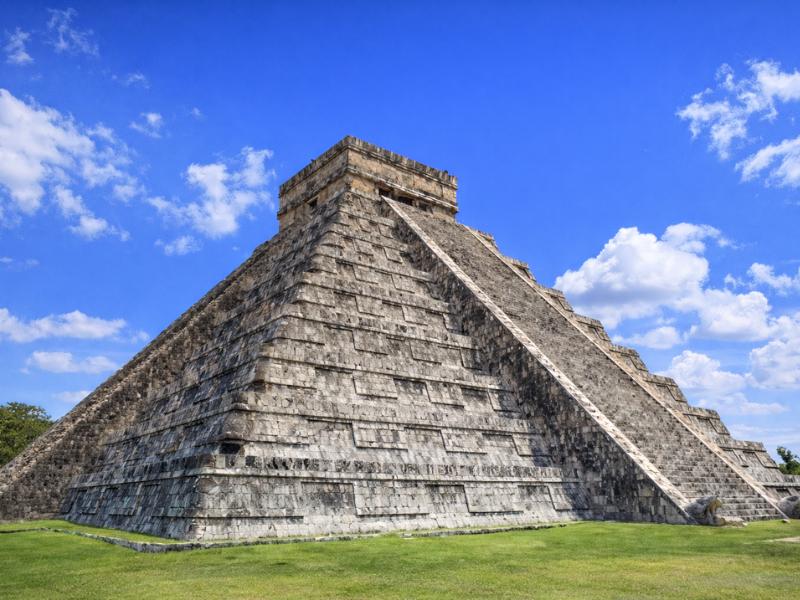
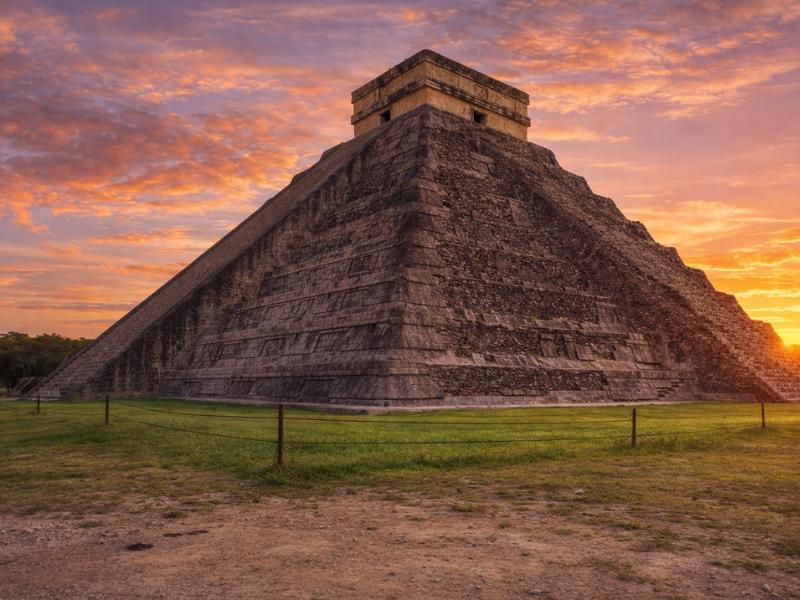
The Yucatan sits on a shelf of porous limestone, and rainwater has carved thousands of these freshwater sinkholes across the peninsula. For the ancient Maya they were sacred, a way down to the water table and to the gods of rain. The Sacred Cenote inside the UNESCO-listed archaeological zone received offerings, but you do not swim there. The swimming cenotes sit a short drive away in the surrounding jungle, and they are the reason so many visitors pair the ruins with a dip on the same day.
There is a practical logic to it too. Chichen Itza opens at 8 in the morning and the smart move is to arrive early, tour the ruins while the light is soft and the crowds are thin, then leave before the midday heat peaks. That drops you at a cenote right when a cold swim feels best, around noon or early afternoon. The rhythm of a good day is ruins first, water second, food somewhere in the middle.
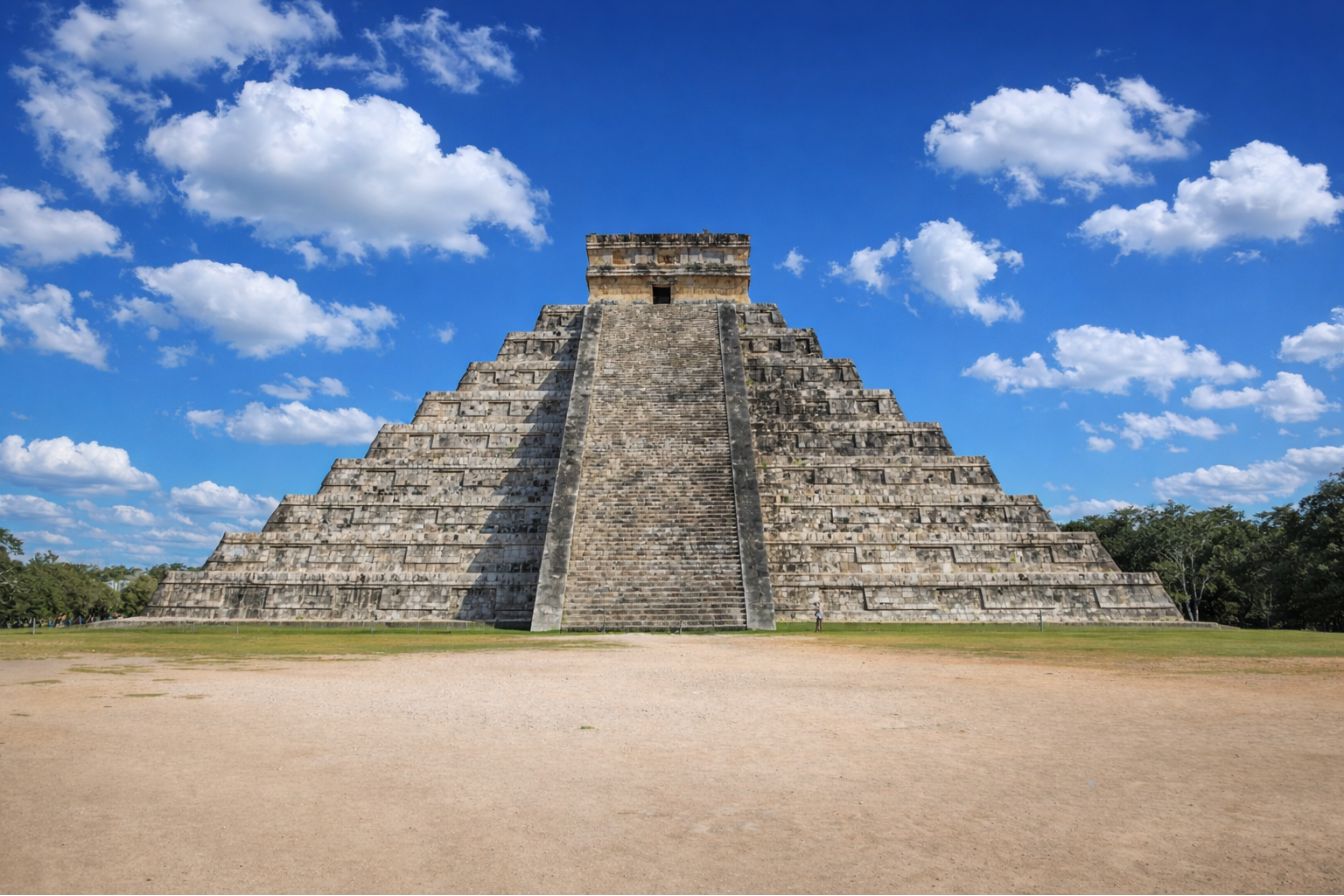
Doing this without a plan is where independent visitors lose time. Buses cluster, changing rooms fill, and the famous cenote gets a queue. A private day sidesteps that friction because your guide knows the timing and picks the arrival window. If you want to understand the full flow before you book, our guide on how much time the day really needs lays out the hours, and our private Chichen Itza tours already build the cenote into the route.
Which cenote should you combine with the ruins?
Pick by the feeling you want. Ik Kil is the iconic open cenote a short hop from the ruins and the easy default. Yokdzonot is calmer and community-run, better for a peaceful swim. Suytun is an enclosed cavern famous for its photogenic beam of light. All three sit within an easy private-van drive of Chichen Itza.
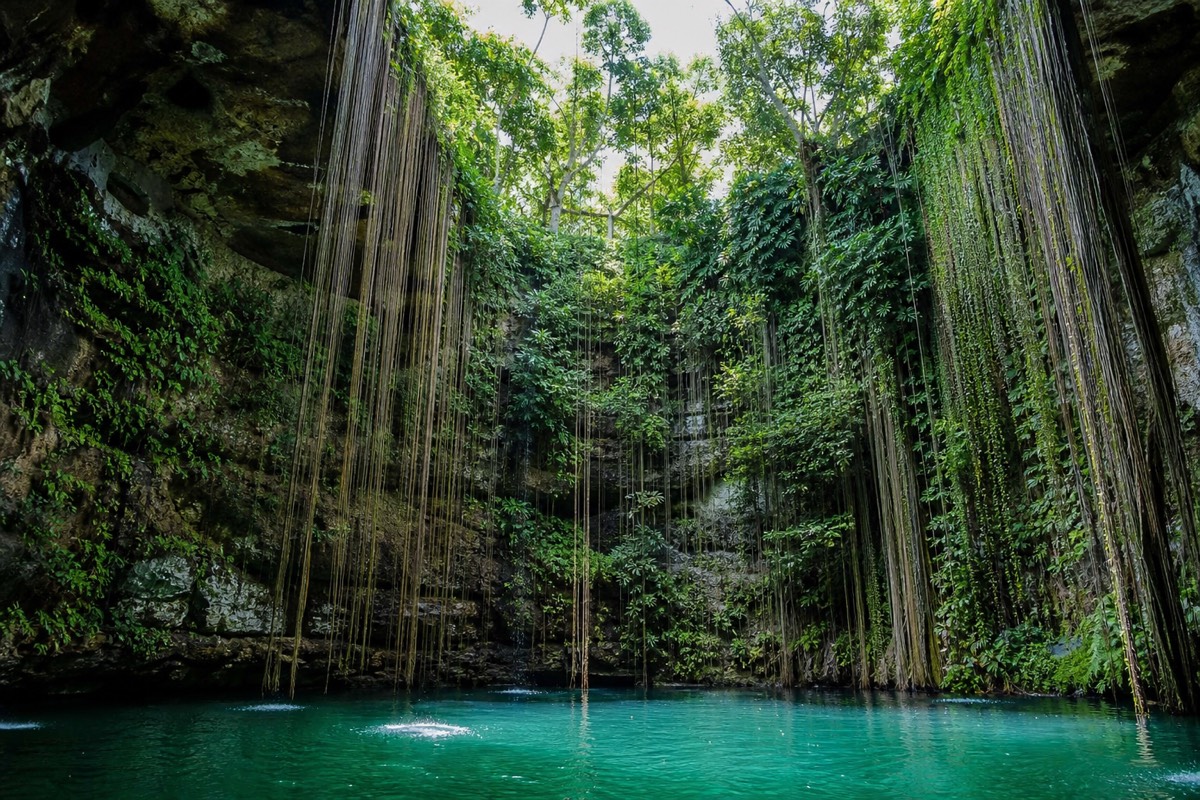
Ik Kil is the one people picture when they think of a Yucatan cenote: a wide open shaft in the jungle floor, vines trailing down the rock walls to the water, a stone staircase spiralling to a platform. It is close to the ruins, which is why the full-day tours from Cancun lean on it, and it has changing rooms, lockers and life jackets. The trade-off is company. By early afternoon it fills, and it can feel busy.
Yokdzonot is our pick when a group wants space to breathe. It is a community-run swim near Valladolid, greener and quieter, with a small restaurant and a relaxed pace. The Yokdzonot cenote trip from Tulum pairs it with the ruins and a colonial-town lunch. Suytun is the outlier: an enclosed cavern where a shaft of daylight drops onto a stone platform for a few hours around midday, the photograph that fills travel feeds. It rewards patience and timing more than a long swim.
There are more. Cenote Saamal near Valladolid features on the Ek Balam and Cenote Saamal day, and cave cenotes appear on the evening and adventure routes. If you only care about one variable, decide first whether you want the classic open swim, the quiet swim or the photograph, and the choice falls out from there. Our blog on which cenote wins goes deeper on that single question.
Distance is the quiet decider for a lot of groups. Ik Kil sits close enough to the ruins that you can be swimming within twenty minutes of leaving the gate, which keeps a tight schedule intact. The Valladolid cenotes ask for a longer transfer, but that drive doubles as your route to lunch and the colonial plaza, so the extra minutes buy you a second stop rather than just more road. Weigh proximity against the number of things you want to see, and the shortlist narrows itself before you have looked at a single price.
Ik Kil vs Yokdzonot vs Suytun
Ik Kil is the closest and most famous, and the busiest by midday. Yokdzonot is the calmer, community-run swim near Valladolid. Suytun is a cavern built for a single dramatic photo rather than a long soak. Match the cenote to your priority: proximity, peace or the picture, and the rest of the day arranges around it.
| Cenote | Type | Setting | Typical entry (MXN) | Crowd feel | Best for |
|---|---|---|---|---|---|
| Ik Kil | Open sinkhole | Near the ruins | 200 to 250 | Busy midday | The classic swim and photo |
| Yokdzonot | Open, jungle-fringed | Near Valladolid | 150 to 300 | Calm, local | A quieter, unhurried dip |
| Suytun | Enclosed cavern | Near Valladolid | 150 to 300 | Photo queues | The cave-and-light-beam shot |
| Cenote Saamal | Semi-open | Near Valladolid | Usually bundled | Moderate | Pairing with Ek Balam |
Numbers here are planning allowances for 2026, not fixed quotes, so treat them as a guide and check the live figure at the cenote or on your tour listing. What does not change is the character of each place. If you can only fit one and you want the shortest driving, take Ik Kil. If you are already routing through Valladolid, Yokdzonot and Suytun are on your doorstep and worth the extra few minutes.
One more variable worth naming is water level and season. These are natural pools fed by the water table, so clarity and depth shift a little through the year, and the open cenotes catch more direct sun in the dry months. None of it changes whether you can swim, but it does change the photographs. If a particular look matters to you, ask your guide which cenote is showing best that week, since local operators watch these conditions closely and will steer you to the clearest water.
What a cenote stop actually feels like
You arrive warm from the ruins, change into swimwear, rinse under a quick shower, then step down toward the water. Most cenotes hand out life jackets and have lockers. The water is cool and clear, often deep, and you swim, float, or watch the light on the rock. Plan on 60 to 90 minutes.
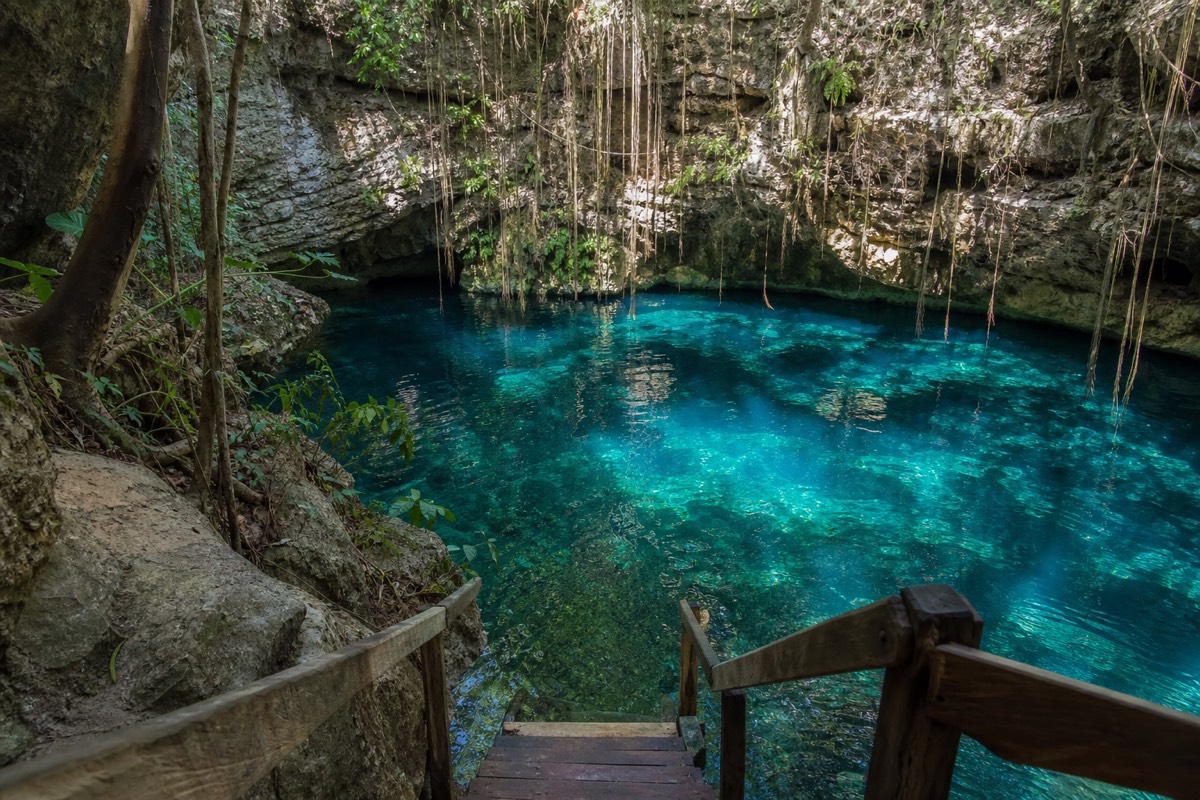
The temperature shift is the first thing you notice. After walking the sunbaked plaza, cenote water sits noticeably cooler, and that first step in is a jolt in the best way. Fish flick around the shallows, small birds nest in the walls, and at the open cenotes light pours down the shaft and turns the water an unlikely turquoise. The enclosed caverns feel different again, hushed and echoey, lit by a single opening or by lamps.
Etiquette matters here, because these are living ecosystems. Most cenotes ask you to shower off sunscreen and repellent before entering, since the chemicals harm the water and the fish. Biodegradable sun protection is welcome, ordinary sunscreen usually is not. Bring a little cash for a locker or towel if yours is not included. Diving is generally discouraged unless staff point out a safe spot, and shoes come off before the platform.
On a private tour the difference is time control. Your group is not waved back to a coach after fifteen minutes. If the kids want another jump or you want to sit in the shade with a cold drink, the guide flexes the schedule. The Ik Kil and temazcal day even follows the swim with a shaman-led sweat-lodge ceremony, turning the water stop into part of a longer cultural arc rather than a quick photo break.
The social side surprises people too. At the community-run cenotes your entry fee supports the village that maintains the site, and there is often a small kitchen serving fresh food and cold drinks by the water. It turns the stop into something warmer than a ticketed attraction. Tipping the staff who hand out life jackets and keep the changing rooms clean is a kind gesture and costs very little, so carry a handful of small notes for exactly that.
What does a cenote cost if it is not included?
Standalone cenote entry runs about MXN 150 to 300 per person, with Ik Kil near MXN 200 to 250 for an adult. Add small optional fees for a locker, towel or life-jacket rental. Most private day tours already fold the entry into the price, so the out-of-pocket cost only applies to transport-only vans or independent visits.
| Item | Planning allowance (MXN) | Rough USD | Notes |
|---|---|---|---|
| Cenote entry (most) | 150 to 300 | ~$9 to $18 | Per person, per cenote |
| Ik Kil adult entry | 200 to 250 | ~$12 to $15 | The famous open cenote |
| Locker | 30 to 60 | ~$2 to $4 | Optional, cash |
| Towel rental | 30 to 60 | ~$2 to $4 | Bring your own to skip |
| Life jacket | 0 to 50 | ~$0 to $3 | Often free at tour cenotes |
These are allowances for budgeting, not operator quotes, so check the current price when you arrive. The bigger point is that a bundled tour usually removes the guesswork. When the cenote fee, the ruins entry and the transport all sit inside one booking, you are not fishing for pesos at three different windows. Our full breakdown of what a private tour costs shows where the cenote sits in the total.
The best private cenote-and-ruins combos
The strongest private combinations pair the ruins with a specific cenote and usually a lunch or an extra site. Prices below are the real listed rates for our tours, verified per booking, and each already includes the cenote in the route. Pick by budget and by how much you want beyond the swim.
| Private tour | Cenote | Also includes | From (USD) | Hours | Rating |
|---|---|---|---|---|---|
| Valladolid & Yokdzonot from Tulum | Yokdzonot | Valladolid lunch | $263 | 11 | 4.9 |
| Ek Balam & Cenote day | Cenote Saamal | Ek Balam, hacienda lunch | $457 | 12 | 5.0 |
| Cenote & Mayan temazcal | Ik Kil | Shaman-led temazcal, lunch | $660 | 14 | 4.9 |
| Night ruins & cave | Cave cenote | Light show, Maya dinner | $699 | 12 | 5.0 |
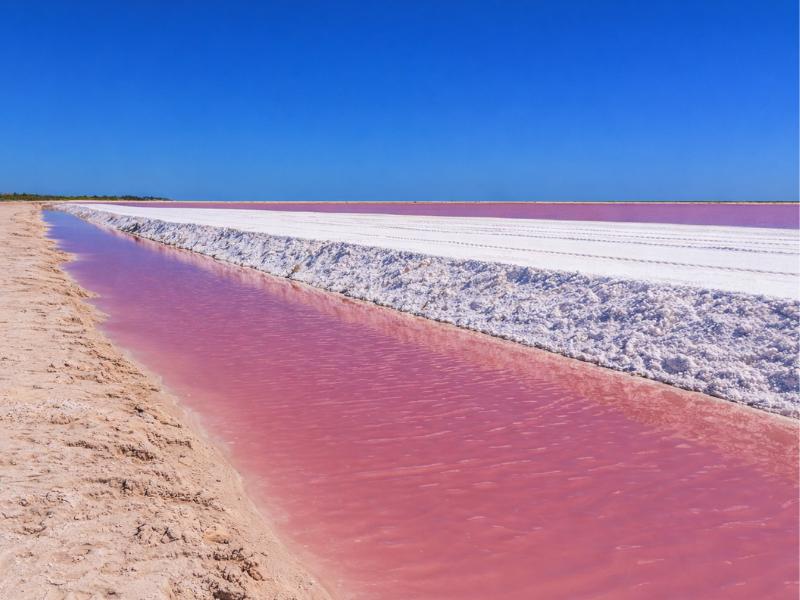
| Ik Kil, Rio Lagartos & Las Coloradas | Ik Kil | Flamingos, pink lakes, lunch | $724 | 12 | 5.0 |
Prices are per the current listings and can move, so open the tour page for the live figure and inclusions before you commit. The cheapest way to get a cenote alongside the ruins is the Yokdzonot day from Tulum at $263, which still adds a colonial lunch. If you want the swim plus a genuine cultural ceremony, the temazcal day pairs Ik Kil with a sweat-lodge ritual. And the Ik Kil, flamingos and pink-lakes tour is the big-nature option for travellers who want the whole northern Yucatan in one go.
Value is easy to misjudge here. A standalone cenote entry looks cheap next to a full tour price, but that comparison misses the transport, the guide and the ruins entry that a bundled day rolls into one figure. When you price a self-driven visit honestly, adding the rental, the fuel, the parking and the separate cenote fee, the gap to a private tour narrows fast, and the tour hands you a guide and a fixed plan on top. Judge the whole day, not the single ticket.
How much time does a cenote stop add?
Figure on 60 to 90 minutes in the water, plus 15 to 40 minutes of driving from the ruins to the cenote depending on which one you choose. Ik Kil is closest. Cenotes near Valladolid add a little more road but pair naturally with a town lunch, so the extra driving rarely feels wasted.
| Segment | Typical time | What happens |
|---|---|---|
| Drive, ruins to Ik Kil | 10 to 20 min | Short hop, closest cenote |
| Drive, ruins to Valladolid cenotes | 30 to 40 min | Pairs with a town lunch |
| Change and shower | 10 to 15 min | Rinse off, life jacket on |
| Swim and relax | 45 to 75 min | The core of the stop |
| Dry off and dress | 10 to 15 min | Back to the van |
Across a full private day the cenote typically eats a two-hour block once you count driving, and that fits comfortably inside a 10 to 14 hour tour. If your day is tight, a closer cenote keeps the swim without stretching the schedule. If you have the hours, a Valladolid cenote lets you fold in lunch and a stroll around the plaza. For the whole clock, see our guide on picking the right base, since the base you start from decides how much room the day has left for water.
Season nudges the timing as well. In the hot, dry stretch from March to May a midday swim is close to essential, and you will want the cenote earlier rather than later. In the cooler winter months the water feels brisker, so some groups prefer a shorter dip and more time in the sun on the platform. Either way the cenote lands best after the ruins, once you are warm and ready to cool down, so keep it second in the running order.
What to bring for the swim
Pack swimwear worn under your clothes, a quick-dry towel, biodegradable sunscreen, water shoes or flip-flops, and a dry bag for your phone. Life jackets are usually provided. Leave regular sunscreen and heavy makeup off before you swim, since most cenotes require you to rinse chemicals away to protect the water.
| Item | Why | Priority |
|---|---|---|
| Swimwear (worn underneath) | Changing rooms can be busy | Essential |
| Quick-dry towel | Rentals cost extra | Essential |
| Biodegradable sunscreen | Regular kinds are banned in the water | Essential |
| Water shoes or flip-flops | Steps and rock can be slick | Recommended |
| Dry bag or zip pouch | Protects phone and cash | Recommended |
| Small cash (pesos) | Lockers, towels, tips | Recommended |
| Goggles | The water is clear and worth seeing | Optional |
Because the cenote comes after the ruins, dress for both in the morning. Swimwear under a light shirt and shorts means you are ready to walk the plaza and ready to swim without a scramble. Our full packing list for the day covers footwear, sun kit and what to skip. One reminder that saves grief: sunscreen goes on after the swim if you can manage it, or use a reef-safe formula, because staff at most cenotes will ask you to shower it off first.
Which cenote suits which traveller?
Families want a shallow edge and life jackets, so Ik Kil or a community cenote works. Photographers chase Suytun for the light beam. Couples wanting calm favour Yokdzonot. If your day is short, take the cenote closest to the ruins. If you are basing in Tulum or routing via Valladolid, the town cenotes fit best.
| Traveller | Best cenote | Why |
|---|---|---|
| Families with kids | Ik Kil or Yokdzonot | Life jackets, shallow steps, easy access |
| Photographers | Suytun | The midday light shaft |
| Couples wanting quiet | Yokdzonot | Calmer, community-run, greener |
| Short on time | Ik Kil | Closest to the ruins |
| Basing in Tulum | Yokdzonot | On the Valladolid route |
| Big-nature day | Ik Kil plus Rio Lagartos | Swim then flamingos and pink lakes |
Families travel well on our routes because the pace bends to a child's stamina, and the cenotes we use hand out jackets. For more on that, see visiting with kids. Mexico's INAH looks after the archaeology while local communities steward many of the cenotes, and that split is worth remembering: the ruins are a monument, the cenote is a wild swim, and treating each on its own terms makes the day better. Chichen Itza earned its place among the New Seven Wonders, and a cenote swim is how you cool off after standing in front of one.
Photographers should plan the light. The open cenotes look their best when the sun is high enough to pour straight down the shaft, roughly late morning to early afternoon, which happens to be when you arrive on a well-timed day. The cavern cenotes work on the opposite logic, rewarding the narrow window when a single beam drops through the roof. If the picture is the point of the stop, tell your guide, because the arrival time that suits a swim is not always the one that suits the shot.
Cenote rules and what is provided
Expect to shower before entering, skip regular sunscreen, and follow posted depth and diving rules. Most cenotes on our tours provide life jackets and have lockers, changing rooms and simple food nearby. Bring small cash for extras. These are protected natural sites, so the etiquette is about keeping the water clean for the next swimmers.
| Provided at most tour cenotes | Bring or expect to pay | Rules to follow |
|---|---|---|
| Life jackets | Towel (or rent) | Shower off before entering |
| Changing rooms | Locker fee | No chemical sunscreen in water |
| Showers | Small cash for tips | No diving unless allowed |
| Restrooms | Water shoes | Respect posted depths |
None of this is heavy going. It is the same courtesy you would show any fragile place: rinse before you swim, do not leave litter, and take your cues from the staff. On a private tour your guide walks you through it so there are no surprises at the gate. Put the ruins and a good cenote together and you have the day most people actually remember, half ancient history under the sun, half cold clear water in the jungle. When you are ready to build it, start with our private Chichen Itza tours and pick the cenote that fits your group.