Chichen Itza With Kids: The Private Tour Family Guide
Kids and a 1,000-year-old Maya city sound like a hard match. On a private tour, with your own pace and a cenote swim built in, it turns into one of the easiest good days of the whole trip.
At a glance: what kids pay
Planning allowances from operator listings and site pricing; child tour rates vary, so check each listing.
Is Chichen Itza good with kids?
Yes, and a private tour is what makes it work. Children of all ages are welcome with no minimum age, the pace bends to your family, and the day mixes a walk through a real Maya city with a cool cenote swim afterwards. Most kids remember the giant pyramid, the ball court story and the water far longer than any museum.
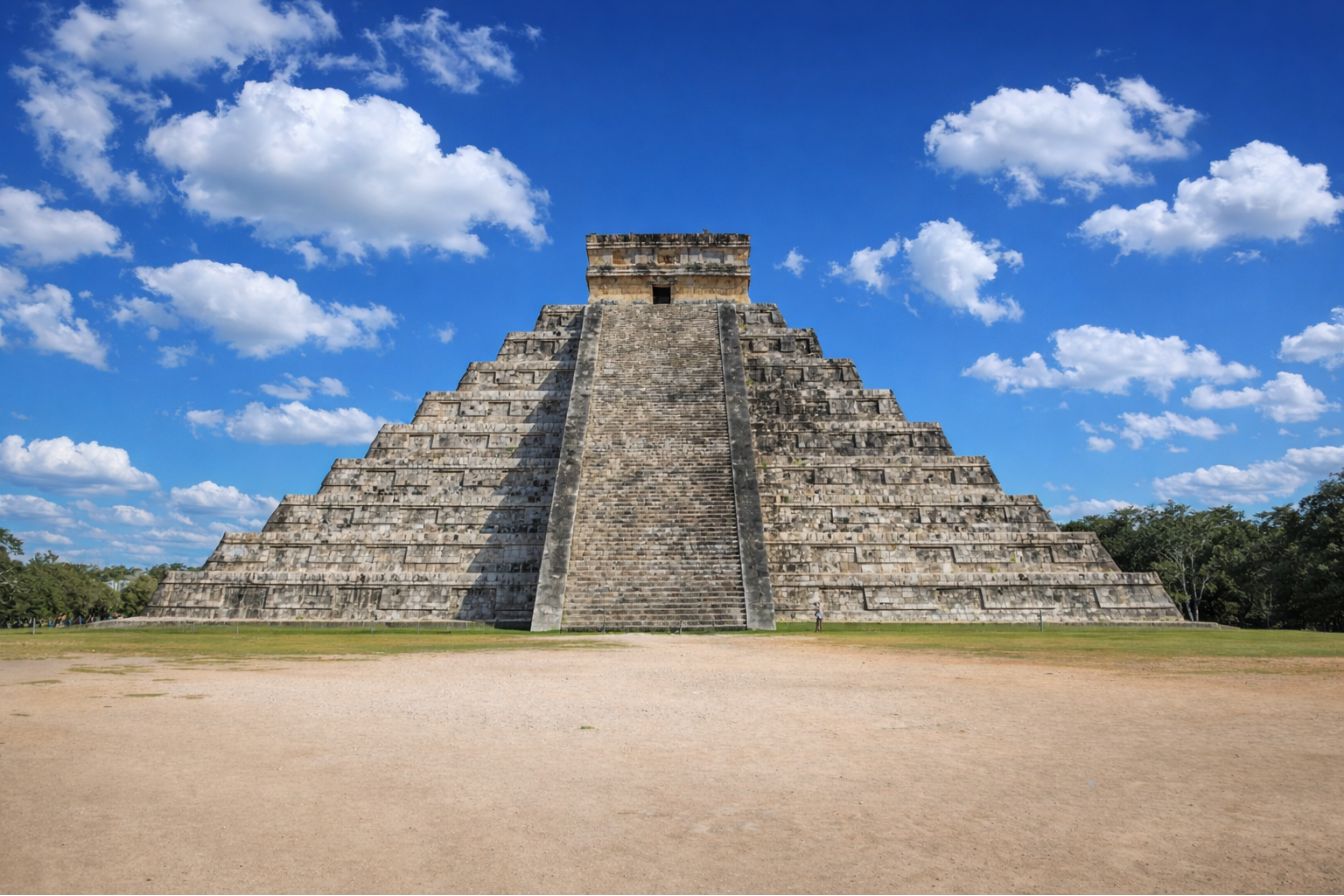
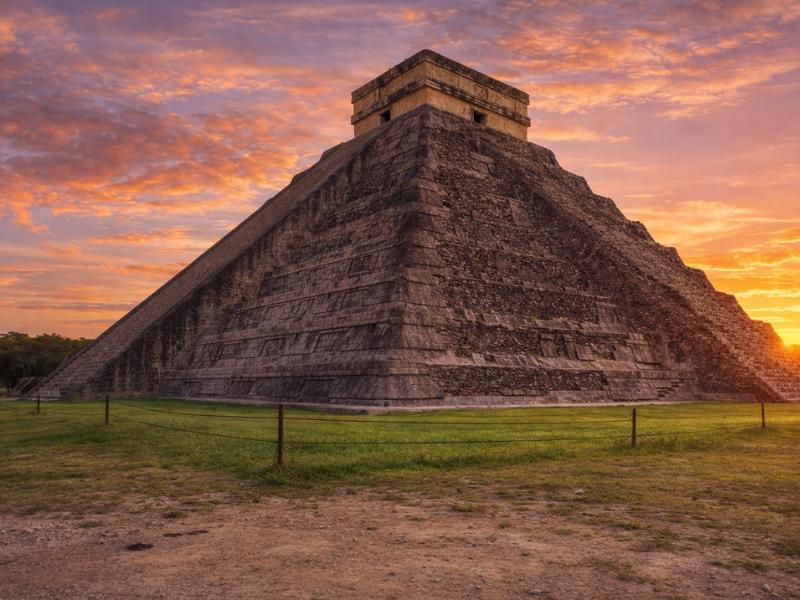
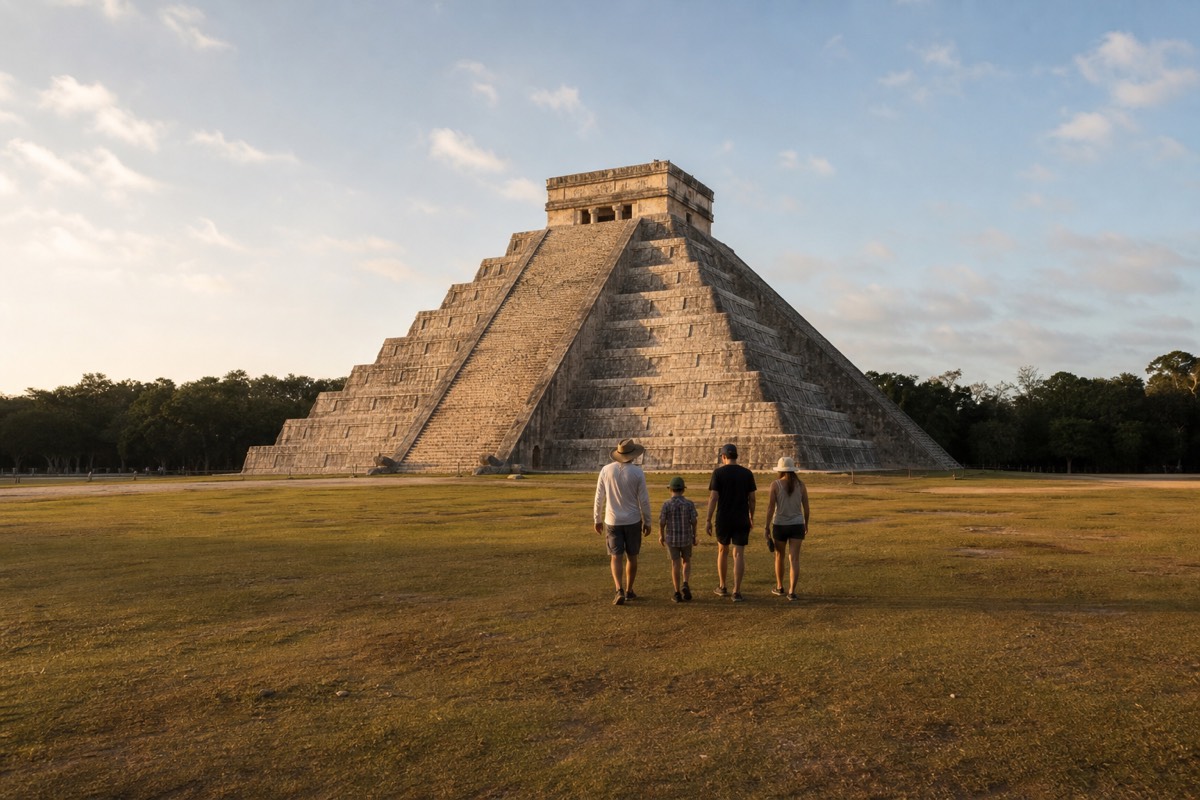
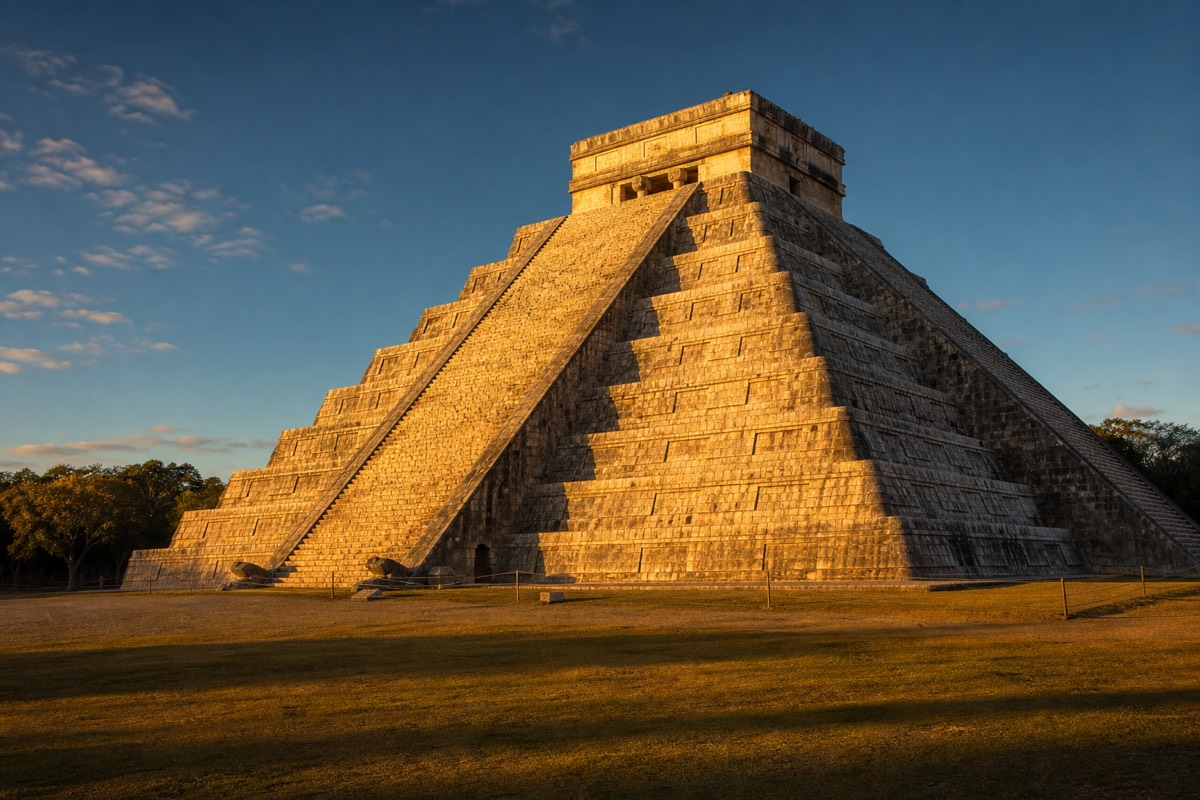
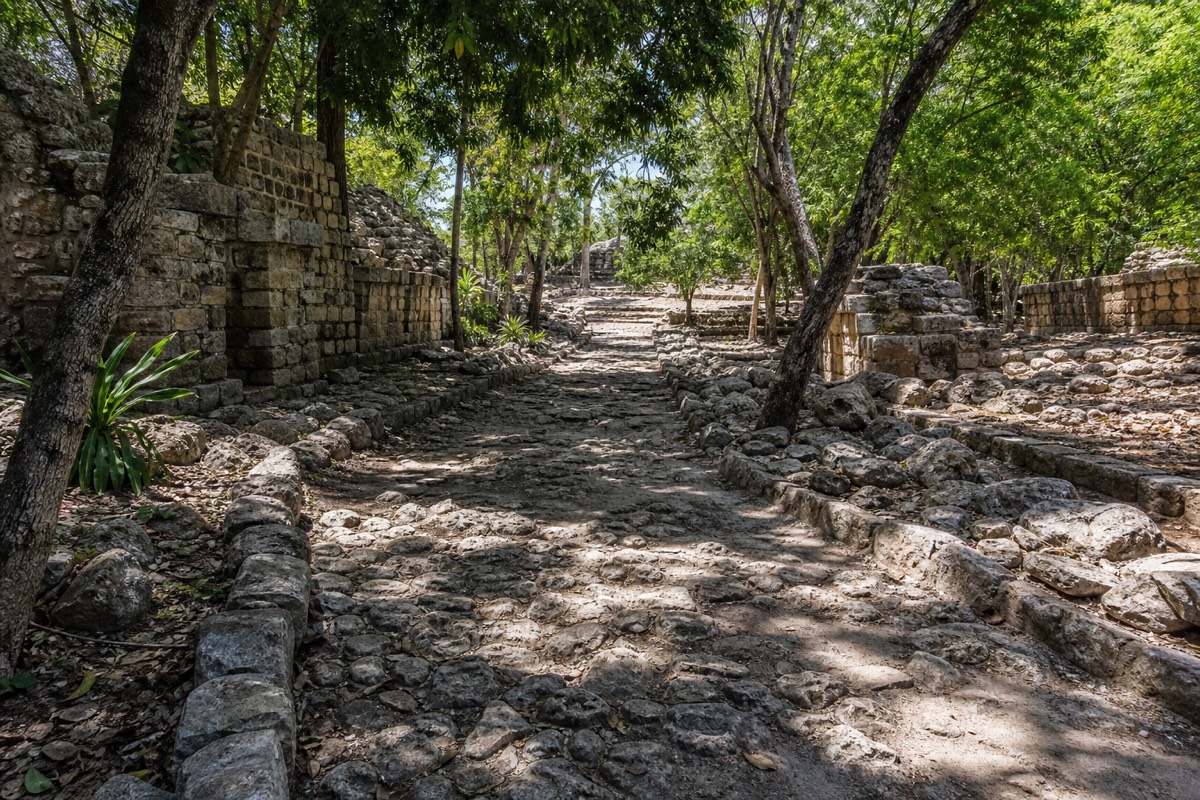
Chichen Itza is not a stroller-through-glass-cases kind of place. It is a wide open Maya city where the Temple of Kukulcan, known as El Castillo, rises out of a mown plaza, the largest ancient ball court in the Americas runs off to one side, and the Sacred Cenote sits at the end of a jungle path. It carries a UNESCO World Heritage listing and a place on the New Seven Wonders of the World, which lands with older kids once you tell them what that means.
The trick with children is not the site. It is the logistics: the heat, the drive, the queue, the lunch, the meltdown at hour three. Every one of those is easier to manage when the tour is yours alone. You are not waiting for forty strangers to reboard a coach, and you are not stuck to a script written for adults. Families who go private almost always describe the same thing afterwards, a day that felt calm rather than herded.
There is also a scale to the place that lands hard with children once they are standing in it. El Castillo is about thirty metres tall, the ball court is the length of a football pitch, and the whole city sprawls across a couplet of open plazas linked by shaded jungle paths. A photo does not prepare a seven-year-old for how big it feels. Give a guide the freedom to tell one good story at each stop, the game where losing captains may have been sacrificed, the cenote where offerings were thrown to the rain god, the pyramid that counts the days of the year in its steps, and abstract history turns into something a kid will retell at dinner for weeks.
Why a private tour wins for families
A private tour hands you the two things families need most: control of the clock and a vehicle that is your own. You decide when to start, when to break, when to cut the guided portion short and head for the water. Nobody is counting heads at a coach door, and the air-conditioned van doubles as a cool-down room between every stop.
On a group coach tour, the day is built around the operator's efficiency, not your five-year-old. Departure is fixed, the walking route is fixed, lunch is a buffet on a schedule, and if a child hits the wall you have nowhere to go. A private guide, by contrast, reads the group. When attention fades, a good guide switches from Maya astronomy to the story of the ball game where players used their hips to move a heavy rubber ball, and suddenly the kids are back.
The pace control matters more than parents expect. Our team's steer for families is simple: do the ruins first thing while it is cool, keep the guided walk to the highlights, then let the cenote be the long, relaxed part of the day. That order, hard to pull off on a coach, is the default on our private Chichen Itza tours. It also means you can add or skip the Valladolid town stop depending on how the day is going.
Safety is the quiet reason many parents choose private in the first place. The archaeological zone is heavily patrolled and busy through the day, so nobody is ever isolated, and a private guide keeps your group together rather than scattered across a plaza with a shared coach load. If a child needs a toilet, a snack or a sudden sit-down in the shade, the answer is immediate rather than a negotiation with a schedule. That responsiveness is worth more with young children than any single sight on the itinerary, because the day succeeds or fails on the small moments, not the big ones.
What works at each age?
Every age can enjoy Chichen Itza, but what lands changes fast. Toddlers need shade, water and a short visit. Ages 4 to 7 love the pyramid and the cenote. Ages 8 to 12 latch onto the ball game and the astronomy. Teenagers do best with a climbable second site like Ek Balam or an active add-on such as an ATV ride.
The table below is how our guides tend to pitch the day by age. Treat it as a starting point, not a rulebook, because kids vary wildly.
| Age band | What clicks | Watch out for | Guide's move |
|---|---|---|---|
| 0 to 3 | The van ride, the open space, splashing at a shallow cenote in a life jacket | Heat and the long drive; nap timing | Short site loop, plenty of shade stops, van AC between everything |
| 4 to 7 | The giant pyramid, hand-clap echo at the ball court, the cenote swim | Attention span past 90 minutes; midday sun | Keep the guided walk to highlights, then reward with water |
| 8 to 12 | The ball-game story, the serpent shadow idea, Maya numbers and astronomy | Boredom if it turns into a lecture | Turn facts into a treasure hunt: find the serpent heads, the skulls, Venus |
| 13 and up | Climbing Ek Balam's acropolis, ATV riding, real history depth | Phone-only disengagement | Add a hands-on second stop and let them lead the photography |
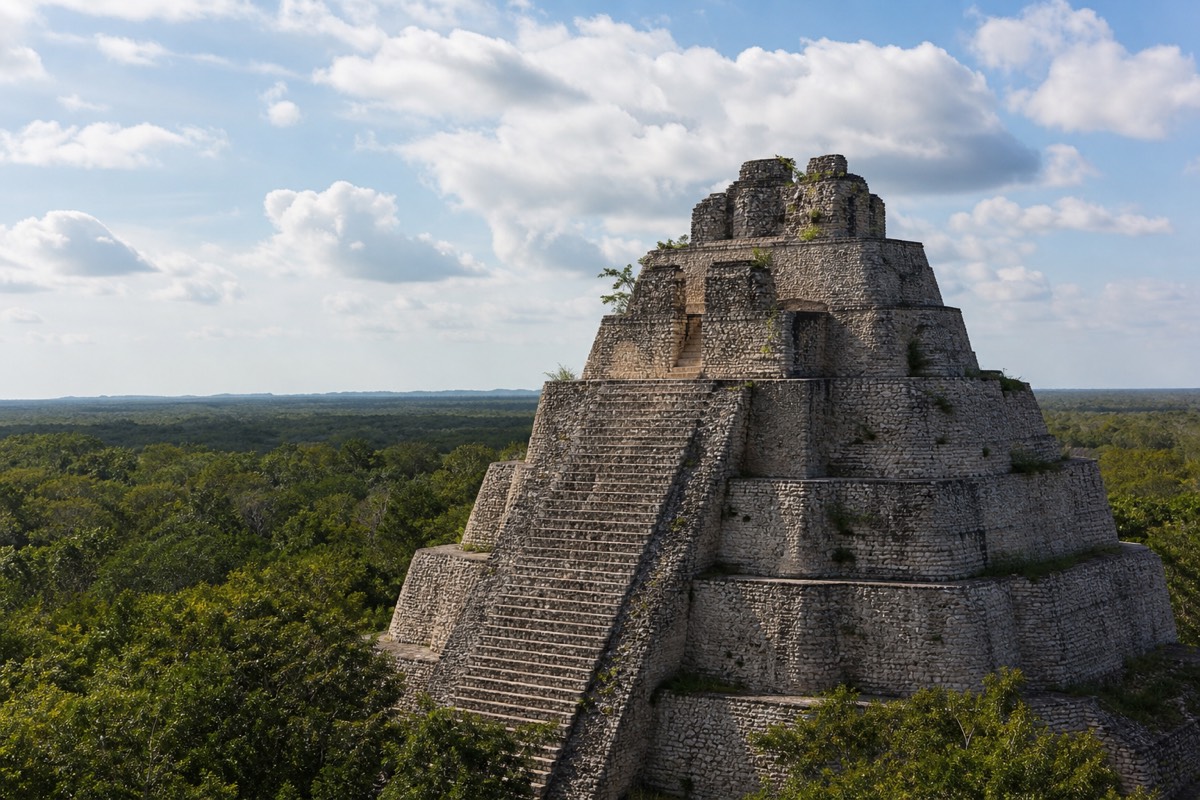
One detail teenagers love: you cannot climb El Castillo, but the Ek Balam climb and cenote day pairs Chichen Itza with a smaller site whose acropolis is still open to climb, roughly 32 metres up to a jungle view. That contrast, the untouchable wonder and the one you can actually scale, gives an older kid a real reason to care.
Which private tours suit families best?
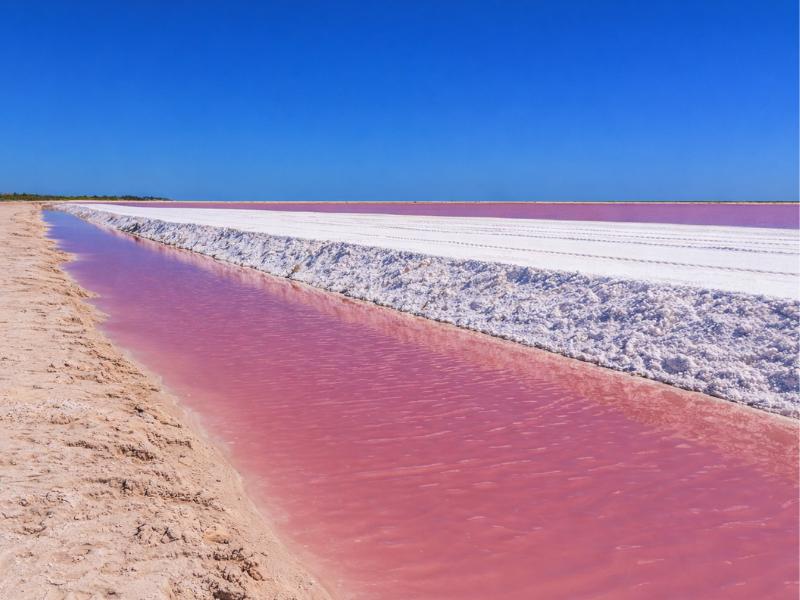
The family-friendly picks share three traits: a cenote swim to cool off, a manageable structure, and flexibility to shorten the day. The two-site Ek Balam tour adds a climbable pyramid, the set-your-own-schedule van gives total pacing control, and the Ik Kil day layers in flamingos and pink lakes for kids who love wildlife.
| Private tour | Hours | From | Rating | Why families like it |
|---|---|---|---|---|
| Ek Balam and cenote day | 12 | $457 | 5.0 (338 booked) | Two Maya sites, a climbable acropolis, hacienda buffet lunch and a Cenote Saamal swim |
| Set-your-own-schedule van | 10 | $655 | 4.8 (348 booked) | You control every timing; cooler with water on board; any Riviera Maya base |
| Ik Kil, Rio Lagartos and Las Coloradas | 12 | $724 | 5.0 (335 booked) | Cenote swim plus flamingos and pink salt lakes; a big nature day for older kids |
| Historian-guided site walk | 3 | $123 | 4.8 (665 booked) | Shortest option for young families; you arrange your own transport and cenote |
For a first family visit, the set-your-own-schedule van from any base is the safest bet, because the whole day is yours to shape. If your kids are wildlife-obsessed, the Ik Kil, flamingos and pink lakes day gives them a boat ride and a cenote in one loop, though it is a long haul, so it suits ages eight and up better than toddlers. If you want a short, gentle introduction, the short historian-led walk keeps the whole thing under three hours, with the trade-off that you handle your own transport.
Not sure how many hours to plan around a small child? Our companion guide on how much time you actually need breaks down a realistic family window.
Heat and hydration: keeping kids comfortable
Heat is the real challenge, not history. The site is open white stone with almost no shade, and summer afternoons run 33 to 38 degrees Celsius, roughly 91 to 100 Fahrenheit, feeling hotter with humidity. The fix is timing and water: arrive at the 8:00 AM opening, do the walking early, and treat the van as your shade and the cenote as your cooldown.
Children overheat faster than adults and complain later, which is a bad combination. The plan below is what our guides run so nobody hits a wall. Water needs are per child and go up sharply in summer.
| Time block | What is happening | Water and heat plan |
|---|---|---|
| 8:00 to 9:30 AM | Cool morning walk through the main monuments | Hats on, one bottle each; shade breaks between plazas |
| 9:30 to 10:30 AM | Ball court, cenote path, photos before the buses land | Refill; reapply sunscreen; keep to shaded edges |
| 10:30 to 11:30 AM | Heat climbing; crowds arriving | Back to the air-conditioned van; snack and cool down |
| Midday | Peak heat, worst crowds | Lunch indoors or in shade, not on the open plaza |
| Early afternoon | Cenote swim, the reward | Long soak resets everyone; dry off before the drive |
Two things parents forget. First, the return drive from Cancun is around two to two and a half hours, so a tired, sun-baked child will sleep, which is fine, but pack the snacks accordingly. Second, the cenote is not just fun, it is the cooling strategy. For a full breakdown of what to carry against the sun, see our guide on the full packing list, and for the coolest windows to visit, the coolest time of day.
Season changes the math. From November to April the dry-season days are warm but reasonable, often in the high twenties Celsius, which is why families who can choose their dates lean towards winter and early spring. February in particular tends to be clear, dry and a touch cooler, an easier introduction for small children than the humid summer. If you are locked into June through August, do not cancel the plan, just compress it: gates at 8:00 AM, guided walk done by mid-morning, and the cenote as the long midday reward rather than an afterthought. The heat is manageable when the schedule respects it and punishing when it does not.
Watch for the early signs of an overheated child rather than the late ones. Flushed cheeks, unusual crankiness and a sudden refusal to walk are the cues our guides act on, and the response is always the same: shade, water, and a short reset in the air-conditioned van before pressing on. A private tour makes that response instant, because the vehicle is parked and waiting for your group alone. On a shared coach, a struggling child simply has to endure until the whole group is ready to move, which is exactly the scenario families most want to avoid.
Is the cenote safe for children?
Yes. Cenote stops are optional and built for families. Life jackets are provided free for kids and weaker swimmers, the popular cenotes have steps, railings and changing rooms, and your private guide stays with the group. Ik Kil is deep with an open top, so young children should keep a jacket on and stay within arm's reach of an adult at all times.
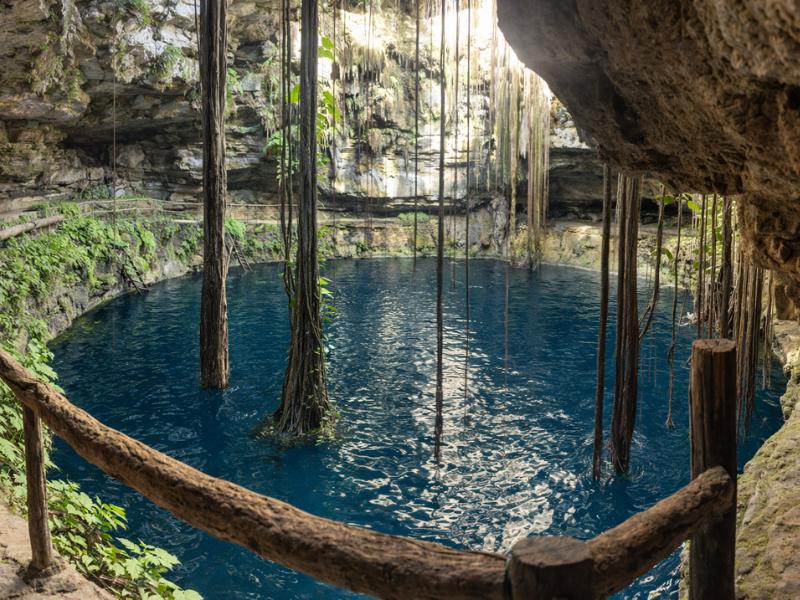
A cenote is a natural limestone sinkhole filled with clear, cool groundwater, and the ones on these tours are the developed, supervised kind rather than a wild jungle pool. Ik Kil is the famous one, a round open cenote with hanging vines and a stone staircase down. Yokdzonot, Suytun and Oxman are quieter alternatives that some families prefer precisely because they are calmer. The checklist below is how we keep the swim easy.
| Safety point | How it is handled | Parent's job |
|---|---|---|
| Flotation | Life jackets provided free, child sizes included | Fit it snugly before anyone gets in |
| Depth | Open cenotes like Ik Kil are deep; there is no shallow wading end | Keep young kids jacketed and close |
| Entry and exit | Stone steps, handrails, and platforms | Watch for slippery stone in bare feet |
| Supervision | Private guide stays with your group throughout | One adult always watching, not photographing |
| Facilities | Changing rooms, lockers, restrooms at the main cenotes | Bring a quick-dry towel and a dry outfit |
If choosing the swim is the hard part, our reader favourite on which cenote is best for a swim compares the main options for families.
What does a private tour cost for kids?
Children usually cost far less than adults. Site admission is generally free for under-13s, cenote entry for kids runs roughly MXN 100 to 150 where it is not bundled, and operators commonly offer child rates around 50 to 70 percent off the adult price for ages 3 to 11, with under-3s nominal or free. Exact child pricing varies by operator, so confirm on the live listing.
Because a private tour is priced for the whole group rather than per adult head, families sometimes come out better than they expect against a per-person coach ticket, especially once you factor free child admission. The allowances below are for planning; treat every figure as an estimate to verify on the listing.
| Cost line | Adult | Child (3 to 11) | Under 3 |
|---|---|---|---|
| Site admission | Around MXN 600 to 700 | Generally free under 13 | Free |
| Cenote entry (if not bundled) | About MXN 200 to 250 (Ik Kil) | About MXN 100 to 150 | Usually free |
| Tour operator rate | Full price | Commonly 50 to 70% off | Nominal or free |
| Life jacket | Provided free | Provided free | Provided free |
For the bigger picture on what a private day runs before add-ons, our detailed guide on what a private tour costs lays out the full math across the nine tours.
A worked family day, hour by hour
The family-friendly shape of the day is fixed and simple: leave early, walk the ruins while it is cool, break in the van before the heat peaks, then spend the afternoon in the water. Here is how a private day from the Riviera Maya actually runs with kids on board, using an early pickup and a cenote finish.
| Time | What happens | Why it works for kids |
|---|---|---|
| 7:00 AM | Private pickup at your hotel; snacks and water loaded | Kids doze on the drive; no coach-station chaos |
| 8:00 AM | First through the gate as the site opens | Cool air, empty plazas, easy photos |
| 8:15 to 10:00 AM | Guided highlights: El Castillo, ball court, Sacred Cenote | Short, story-led, done before the heat |
| 10:00 to 10:30 AM | Free wander and photos, then back to the van | Space to run before the buses arrive |
| 11:00 AM to 12:30 PM | Drive to the cenote or Valladolid; lunch | AC break and real food reset moods |
| 12:30 to 2:00 PM | Cenote swim with life jackets | The highlight; everyone cools off |
| 2:00 to 4:30 PM | Return drive to your base | Tired, happy, mostly asleep |
Note the deliberate order. The guided history goes first because that is when kids can pay attention and when the site is cool and quiet. The swim goes last because it is the reward and the cooldown. Try to flip that on a hot afternoon and the day falls apart. This is exactly the sequencing a private tour lets you lock in, and it is enforced on the ground by INAH, the institute that runs the archaeological zone, which keeps the site to strict opening hours of roughly 8:00 AM to 5:00 PM.
What to pack for kids
Pack for sun, water and boredom, in that order. The non-negotiables are hats, high-SPF sunscreen, far more water than feels reasonable, and a swim kit with a quick-dry towel. Add snacks and one small distraction for the drive, and you have covered the four things that actually derail a family visit.
| Item | Why it matters | Note |
|---|---|---|
| Wide-brim hats | The plazas have almost no shade | One per child, plus spares |
| High-SPF sunscreen | Strong UV on open stone; reapply midmorning | Reef-safe if the cenote asks for it |
| Extra water | Kids dehydrate faster and complain later | Most tours provide bottled water too |
| Swimsuits and quick-dry towel | The cenote is the highlight | Wear suits under clothes to skip changing |
| Closed-toe shoes | Uneven stone and gravel paths | Sandals for the cenote steps |
| Snacks | Bridges the gap to a late lunch | Nothing that melts in the heat |
| Small cash | Souvenirs, restrooms, tips | Vendors line the site paths |
Some cenotes ask you to rinse off sunscreen before swimming to protect the water, so pack a light, reef-safe option and apply it early. Beyond that, the private van carries the bulk, which is one more reason families lean private: you are not lugging everything through a crowded coach park.
Which families should think twice?
A private Chichen Itza day suits almost every family, but a few should adjust. With a baby under one, check the specific tour's rules, since a couple of the longer combination tours set a minimum. With very young toddlers, skip the twelve-hour nature marathons and pick a shorter loop. And if anyone in the group struggles with heat, build the day around an early start and an early finish.
The long-haul tours that add Rio Lagartos, Las Coloradas or an ATV ride are wonderful with older kids and genuinely tiring with toddlers, simply because the total day can stretch past twelve hours with a lot of driving. For under-fives, our steer is a shorter structure: ruins in the morning, one cenote, home by mid-afternoon. That is where the set-your-own-schedule van earns its keep, because you can call the day at any point without stranding a coach full of strangers.
Whatever the ages, the private format is what turns a big, hot, historic site into a manageable family outing. You keep the wonder, the ball court, the pyramid, the serpent story, the cenote, and you drop the parts that grind kids down, the queue, the rigid schedule and the shared coach. Ready to shape a day around your own family? Start with our private Chichen Itza tours and pick the base you are travelling from.