What to Wear and Bring to Chichen Itza (Private-Tour Packing Guide)
The right clothes, shoes and a small sun kit turn a hot, shadeless morning at the ruins into an easy one. Here is exactly what to wear and what to leave behind.
At a glance: what to pack for Chichen Itza
Our packing planner, built from the site hours, summer heat range and cenote fees we track for private-tour guests.
What should you wear to Chichen Itza?
Wear light, loose, breathable clothing in pale colours: a moisture-wicking shirt, quick-dry shorts or a flowy skirt or trousers, closed-toe walking shoes, and a wide-brim hat. The archaeological zone is open and almost shadeless, and summer afternoons run 33 to 38C, so airflow and sun cover beat fashion on every count.
Chichen Itza is a big open plain of stone and short grass. You walk between structures across gravel and dirt, in full sun, for a couple of hours or more. Cotton holds sweat and clings; a synthetic or linen-blend shirt moves the moisture and dries fast. Long sleeves in a thin fabric sound counterintuitive in the heat, but they cut sun exposure better than sunscreen alone and many travellers find them cooler than bare skin under the midday glare.
Colour matters more than people expect. Pale shades reflect heat, dark shades soak it up, and by noon that difference is real. A loose fit lets air circulate. If your day pairs the ruins with a cenote swim or a lunch stop in a colonial town, wear layers you can peel off and add back rather than one heavy outfit. On our private Chichen Itza tours you set the pace, so you can duck into shade and cool the van whenever you like, which changes what you actually need to carry.
There is a comfort-versus-modesty question worth settling before you go. The ruins have no dress code, so shorts and a tank top are perfectly fine for the walking itself. But two things nudge you toward a little more cover: the sun, which is relentless on the exposed plaza, and the cultural stops many private days include, from a church in Valladolid to a shaman-led ceremony where covered shoulders read as respect. A thin long-sleeve layer solves both at once, and it weighs almost nothing in the van.
Fabric choice is the quiet win. Technical shirts made for hiking or running dry in minutes and never cling; linen and linen blends breathe beautifully and shrug off the humidity. What you want to avoid is heavy cotton, which soaks up sweat by mid-morning and stays damp for hours. If you plan to swim, pick an outer layer that also dries fast, because you will likely pull clothes back on over slightly damp swimwear after the cenote.
The complete packing list
Pack in three buckets: sun and heat kit, cenote kit, and site essentials. The short version is water, hat, sunscreen, closed-toe shoes, sunglasses, swimwear worn underneath, a quick-dry towel, cash for fees and tips, and a small dry bag. Everything else is a nice-to-have that depends on your day.
The table below is a planning allowance, not a rulebook. Tick the high-priority rows first, then add the rest to taste. If you book a full private day, several of these are handled for you in the vehicle, so read the inclusions on your listing before you overpack.
| Item | Why it earns its place | Priority |
|---|---|---|
| Water, 1 litre or more per person | Little shade on site; summer heat feels 40 to 45C | Essential |
| Wide-brim hat or cap | Shades face and neck through the exposed plaza | Essential |
| Reef-safe sunscreen SPF 30+ | Reapply midday; cenote rules favour reef-safe | Essential |
| Closed-toe walking shoes | Stone, gravel and uneven ground underfoot | Essential |
| Sunglasses | Glare bounces off pale limestone all day | Essential |
| Swimwear (worn under clothes) | Saves a changing-room queue at the cenote | High if cenote included |
| Quick-dry towel | Compact, dries between stops | High if cenote included |
| Cash in pesos | Entry fees, parking, tips, roadside snacks | Essential |
| Small dry bag or zip pouch | Keeps phone and cash safe at the water | High |
| Insect repellent | Jungle cenotes and dusk stops draw mosquitoes | Medium |
| Light layer or shawl | Shoulders covered for a church or ceremony stop | Medium |
| Portable fan or cooling cloth | Real relief in the July to September mugginess | Nice-to-have |
If you are travelling with children, the load grows a little; our notes on visiting with kids cover the extra snacks, spare clothes and hydration a family day needs.
What shoes are best for Chichen Itza?
Closed-toe walking shoes or trainers win. The ground is stone, gravel and root-cracked dirt, and you cover real distance between structures. Sturdy walking sandals with a heel strap are an acceptable second choice. Flip-flops and slides are the wrong tool for the ruins; save them for the cenote deck.
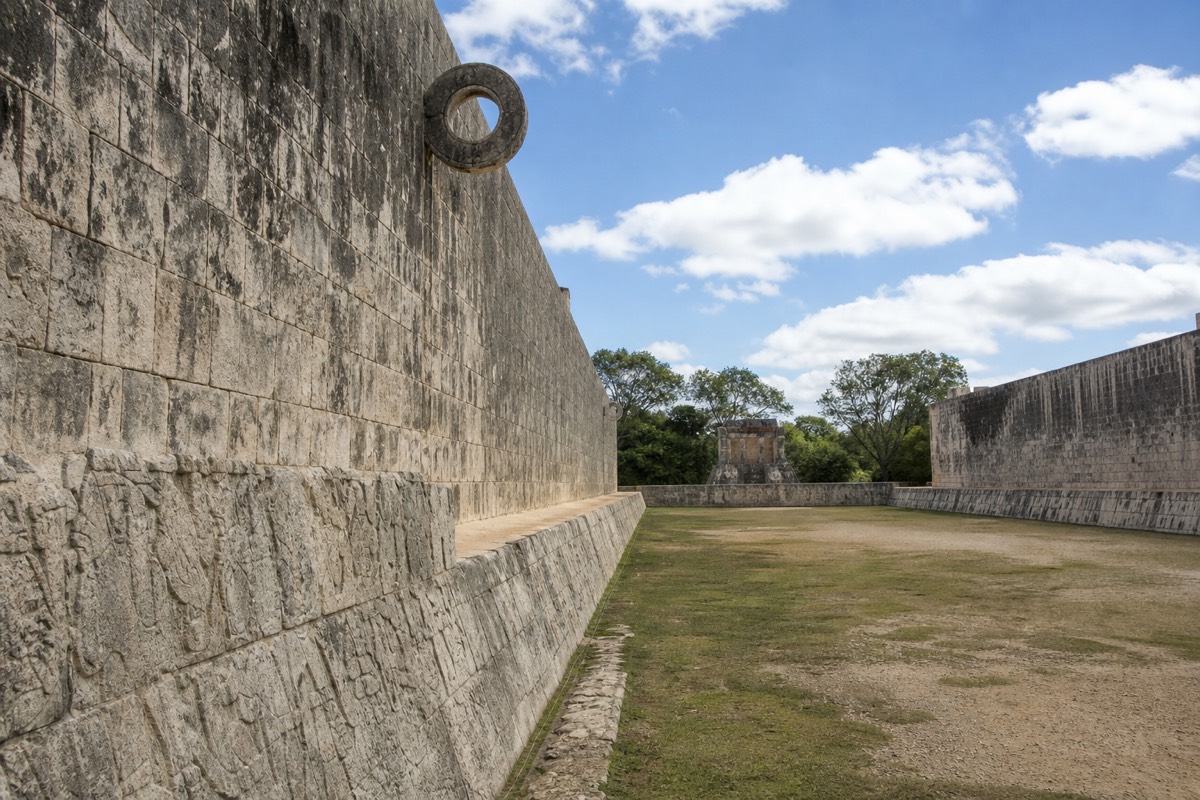
People underestimate how much ground Chichen Itza covers. The Great Ball Court, the Temple of the Warriors, the Sacred Cenote and El Caracol observatory sit at the far corners of a large site, and the paths between them are not paved boulevards. A supportive shoe stops the small stones and the heat radiating off the ground from wearing you down by hour two.
| Footwear | At the ruins | Verdict |
|---|---|---|
| Trainers or trail shoes | Grip, support, breathable | Best choice |
| Walking sandals with heel strap | Airy but secure on uneven ground | Good in heat |
| Canvas slip-ons | Fine for the flat sections, less grip | Passable |
| Flip-flops or slides | No grip, no protection from stones | Cenote only |
| Heeled or dress shoes | Sink and catch on gravel | Leave behind |
One more note on shoes: you cannot climb El Castillo or the other structures. Climbing has been prohibited for years after a fatal fall in the mid-2000s, so you view from ground level. If you want to actually climb a Maya pyramid, the smaller site of Ek Balam still allows it, and the Chichen Itza and Ek Balam day pairs the two. Its worn limestone steps make grippy closed-toe shoes non-negotiable.
A second pair of shoes earns its space in the bag if your day includes water. Wet cenote decks, stone stairs and pool ledges get slick, and walking them in soaked trainers is miserable for the rest of the day. Flip-flops or slides live in the dry bag purely for the swim, then come off. Break in new walking shoes before the trip; a fresh pair plus a long, hot walk is how blisters happen, and there is no quick fix once you are out on the plaza.
Your sun and heat kit
Build a small sun kit and use it: a wide-brim hat, SPF 30 or higher, sunglasses, at least a litre of water each, and something to cool your neck. Summer daytimes reach 33 to 38C and can feel 40 to 45C, and the site offers almost no shade, so the kit is the difference between an easy morning and a rough one.
Timing is part of the kit. The site opens around 8:00 AM and the last entry is near 4:00 PM, closing around 5:00 PM. The stretch from 10:00 AM to 2:00 PM brings the worst combination of crowds and heat as the buses roll in from Cancun. Arrive right at opening or after about 3:00 PM and you dodge both. A private tour lets you pick that window instead of inheriting a bus timetable; our guide to the best time of year to visit goes deeper on the month-by-month picture.
| Sun and heat item | How to use it |
|---|---|
| Wide-brim hat | Full-circle brim shades ears and neck, not just the face |
| Sunscreen SPF 30+ | Apply before you arrive, reapply at the midpoint |
| Sunglasses | Polarised cuts the limestone glare |
| Water, 1 to 2 litres | Sip steadily; do not wait until you feel thirsty |
| Electrolyte tablets | Replace what you sweat out on a long day |
| Cooling cloth or fan | Wet the cloth at a water stop for instant relief |
| Light long-sleeve layer | Covers arms without trapping heat |
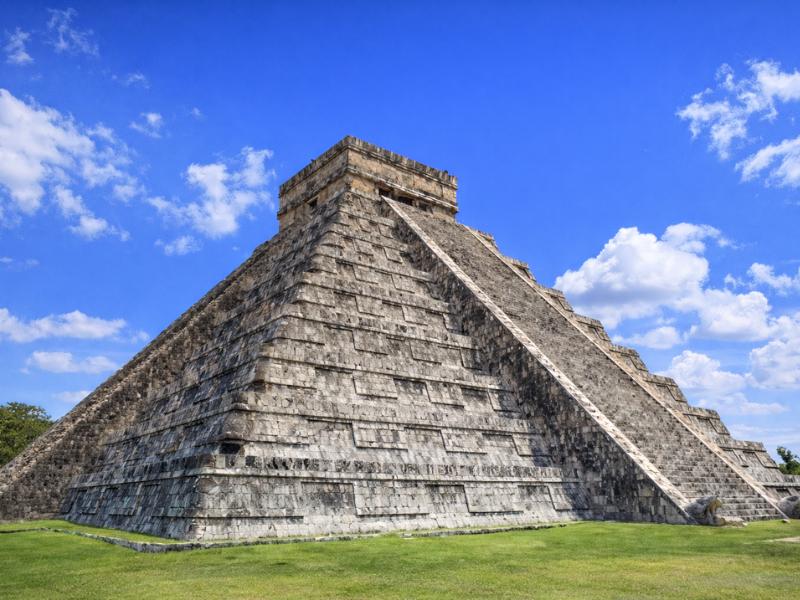
The Pre-Hispanic City of Chichen-Itza is a UNESCO World Heritage Site and one of the New7Wonders of the World, which means big midday crowds. Beating the heat and beating the crowds turn out to be the same task, and both come down to arriving early with your sun kit ready.
Hydration is where people go wrong most often, because the heat here is dry and deceptive. You sweat, it evaporates fast, and you do not always feel how much fluid you are losing until a headache sets in. Sip steadily from the moment you arrive rather than gulping when you already feel parched. On a long day that also visits a cenote and a lunch stop, a set of electrolyte tablets keeps you steadier than water alone. A private van carries a cooler, so cold water is never more than a short walk back to the vehicle, which is a bigger comfort than it sounds when the plaza is baking.
What to bring for the cenote
Pack swimwear worn under your clothes, a quick-dry towel, flip-flops, a small dry bag and a spare set of underwear. Most cenotes ask you to rinse off sunscreen before entering and provide life jackets. If your private tour bundles a cenote, entry is covered; on your own the swim runs roughly MXN 150 to 300 per person.
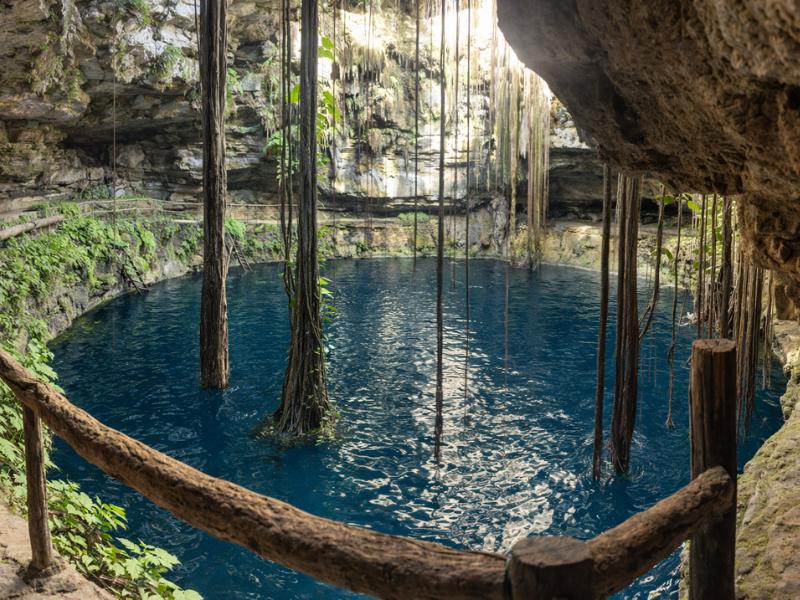
A cenote swim is the reward after the ruins, and it is what most travellers remember most. The classic pairing is Ik Kil, the famous open cenote with hanging vines that drops from the jungle floor, on the Ik Kil and flamingos day. Quieter alternatives like Yokdzonot, Suytun and Oxman swap the crowd for calm. Whichever you pick, the packing is the same.
| Cenote item | Note |
|---|---|
| Swimwear under clothes | Skip the changing queue entirely |
| Quick-dry towel | Microfibre packs down small and dries fast |
| Flip-flops | Wet decks and stairs get slippery |
| Dry bag for valuables | Phone, cash and keys stay dry near the water |
| Reef-safe sunscreen only | Many cenotes ban regular sunscreen to protect the water |
| Waterproof phone pouch | The vine-draped light is worth a photo |
| Small cash | Lockers or a rinse fee if not included |
If a swim is the highlight for your group, which cenote to combine compares the main options side by side so you can match the water to your day.
A dry bag is the small item that saves a big headache. Phones, cash and hotel keys do not mix with cenote water, and a cheap waterproof pouch on a lanyard lets you keep photographing the light through the vines without worrying. If your swim happens at Ik Kil after the ruins, expect a busy deck and a bit of a queue for the staircase down, which is one more reason to wear swimwear under your clothes and be ready to slip straight in. Quieter spots like Yokdzonot trade the crowd for calm, and the packing is identical either way.
What NOT to bring to Chichen Itza
Leave the drone, the tripod, oversized bags, and any plan to climb the pyramids at home. Large backpacks may be checked, drones and tripods are restricted, and regular chemical sunscreen is discouraged at cenotes. Travel light, carry only what fits in a small daypack, and you move faster through the gates.
The site is heavily patrolled and generally safe, which also means security checks. A giant backpack is a hassle you do not need. Vendors line the interior paths selling carvings and textiles, so you do not need to carry souvenirs in; you can buy at the end and stow them in the van.
| Leave behind | Why |
|---|---|
| Drone | Restricted at the archaeological zone |
| Tripod or monopod | Commercial-gear rules and awkward to carry |
| Large backpack or luggage | May be checked; slows the entry line |
| Regular chemical sunscreen | Discouraged at cenotes; bring reef-safe |
| Heels or dress shoes | Useless on gravel and stone |
| Expensive jewellery | Nothing to gain, easy to lose at the water |
| Expectations of climbing | Climbing the structures is prohibited |
The prohibition on climbing is set by INAH, Mexico's National Institute of Anthropology and History, which manages the site. You view El Castillo from the ground, walk its base, and hear the famous handclap echo off the north stairway rather than standing on top of it.
A few other items just create friction. Selfie sticks and large camera rigs draw attention at security and slow you down for little gain, since the best shots here are wide, and your phone handles those fine. Glass bottles are a poor idea near cenote decks, and single-use plastic is discouraged across the region, so a refillable bottle is the better call anyway. Leave anything you would be upset to lose at the hotel; you will be in and out of water and moving between stops, and the fewer valuables you juggle, the more relaxed the day.
How packing changes by season
Dry season from November to April is the easy window: light clothes and a strong sun kit cover it. From June to August add extra water, electrolytes and a cooling cloth for the 33 to 38C heat. The July to October rainier stretch calls for a packable rain layer and grippier shoes for slick cenote steps.
February is the local sweet spot, with clear skies, the driest air and fewer crowds than the December to January holiday peak. May and November are also good. The table shows the small tweaks that matter as the calendar turns.
| Season | Add to your bag | Ease off on |
|---|---|---|
| Nov to Apr (dry) | Standard sun kit, a light layer for cool mornings | Rain gear |
| Feb (sweet spot) | Sunglasses and hat; skies are clear and bright | Extra water beyond the norm |
| Jun to Aug (hot) | Extra litre of water, electrolytes, cooling cloth | Dark or heavy fabrics |
| Jul to Oct (wetter) | Packable rain shell, grippy shoes, dry bag | Anything that stains when damp |
| Mar 20 to 21 / Sep 21 to 22 (equinox) | Patience and an early start; the shadow serpent draws big crowds | Bulky gear in the crush |
Because a private van carries a cooler and lets you cool down between stops, the seasonal load is lighter than it would be on a public bus day. The temazcal ceremony day is a case in point: bring a full change of dry clothes for the sweat-lodge finish, and the tour handles the rest.
The equinox weeks deserve their own note. Around March 20 to 21 and September 21 to 22, the late-afternoon sun throws a shadow that ripples down El Castillo's north stairway like a serpent, and the site fills to the brim on those days. If you time your visit for that spectacle, pack lighter and smarter, because you will be standing in a dense crowd for the alignment. A private guide who knows the angles and the timing is worth far more than any single item in your bag on a day like that.
Packing for kids and families
For a family day, double down on hydration and sun cover and add snacks, spare clothes and a plan for tired legs. Private tours welcome children with no minimum age, life jackets are provided at cenotes, and site entry is free for young kids, so the packing is about comfort and pacing, not paperwork.
The heat hits small children first, so a family should carry more water than the adults-only math suggests, plus a hat that actually stays on. A private tour lets you shorten the on-site loop, retreat to the van, and swim when energy dips. Our full breakdown of how much time you need helps you right-size a family day.
Pace beats packing for a family. Even the best-stocked bag will not rescue a day that pushes tired children through the midday heat, so plan the visit around an early start and a mid-morning cenote reward. Snacks that survive the heat, a spare shirt for each child after the swim, and a small toy for the long drive do more for morale than any gadget. Because the tour is yours, you can call the swim early or trim the walk the moment the group flags, which is the real advantage of going private with kids.
| Family add-on | Why it helps |
|---|---|
| Extra water and snacks | Kids overheat and flag faster than adults |
| Spare dry clothes | Cenote swims and spills are guaranteed |
| Kid-sized hat and sunglasses | Adult sun gear never fits small heads |
| Reef-safe sunscreen stick | Easier to reapply on wriggly children |
| Small entertainment for the drive | The ride from Cancun runs 2 to 2.5 hours each way |
How a private tour changes what you pack
A private tour lets you carry less. Round-trip air-conditioned transport, a cooler with water, a dedicated guide and pre-arranged entry mean the van holds your bulk, cools you between stops and skips the ticket queue. You still bring the personal kit, but the heavy logistics move off your shoulders.
On the set-your-own-pace private van you leave spare layers, snacks and towels in the vehicle and grab them at each stop. That single fact reshapes the packing list: you pack for the walk, not for the whole day, because base camp travels with you. It also means you set the arrival time to dodge the midday heat and crowds, which is the best packing decision of all.
The core kit never changes: water, hat, sunscreen, closed-toe shoes, sunglasses, swimwear and cash. Layer the seasonal and cenote extras on top, leave the drone and the dress shoes at the hotel, and you arrive ready. When you are weighing options, private versus group lays out exactly what the private format adds beyond a lighter bag.
Cash deserves one last word, because cards are not accepted everywhere on this kind of day. The entrance runs around MXN 600 to 700 per foreign adult in 2026, parking is roughly MXN 80 to 150, and a tip for a good guide and driver commonly lands around MXN 200 to 500 total. Add a little for roadside snacks, a marquesita in Valladolid, or a cenote fee if it is not bundled. Some tours include entrance fees and some do not, so read your listing, then carry pesos to cover whatever falls outside it.
Put it all together and the packing philosophy for a private Chichen Itza day is simple: dress for a hot, shadeless walk, carry a compact cenote kit, keep cash on hand, and let the van hold the bulk. Everything on the essential list fits in a small daypack. Get those few things right and you spend the day looking at one of the great wonders of the ancient world instead of thinking about your feet, your sunburn or your empty water bottle.