Can You Climb the Pyramid at Chichen Itza?
The short answer disappoints a lot of visitors. The longer answer points you to a pyramid you are still allowed to climb.
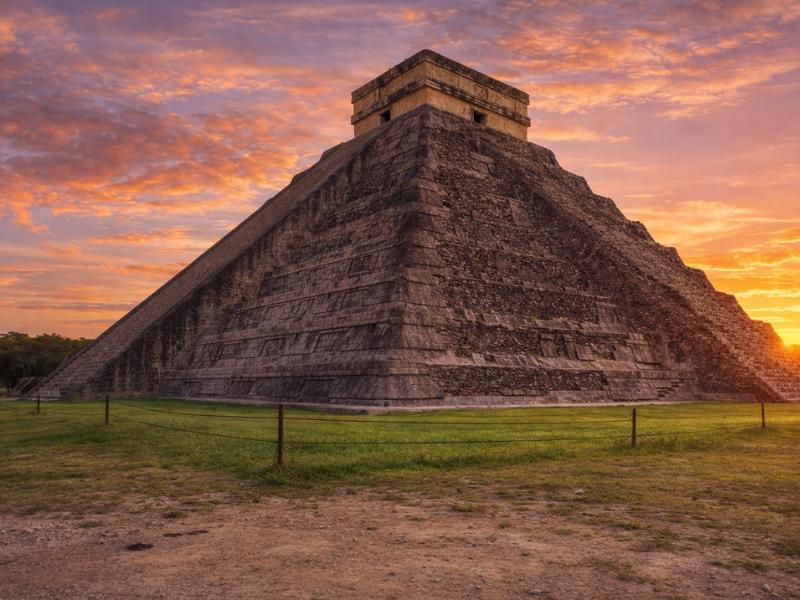
No, you cannot climb the pyramid at Chichen Itza. El Castillo, the Temple of Kukulcan, and every other structure on the site have been closed to climbing for years, after a visitor died in a fall in the mid-2000s. Today you admire the pyramid from the ground, walk its perimeter and photograph it, but the staircases are roped off and the rule is firmly enforced.
This catches a lot of first-time visitors off guard, because older photographs and guidebooks show tourists scrambling up the steep north face. Those days are over. The change was not sudden bureaucracy for its own sake, it followed a real tragedy and a real preservation problem, and it now applies to the whole archaeological zone rather than El Castillo alone. Understanding why makes the closure easier to accept, and there is good news at the end for anyone whose heart was set on climbing something ancient.
Why is climbing El Castillo prohibited?
Climbing was stopped for two reasons that reinforce each other: safety and preservation. A visitor fell to her death on El Castillo's steep steps in the mid-2000s, and by then the stone was visibly eroding under the weight of millions of climbers a year. Closing the structures protects both the people and the monument.
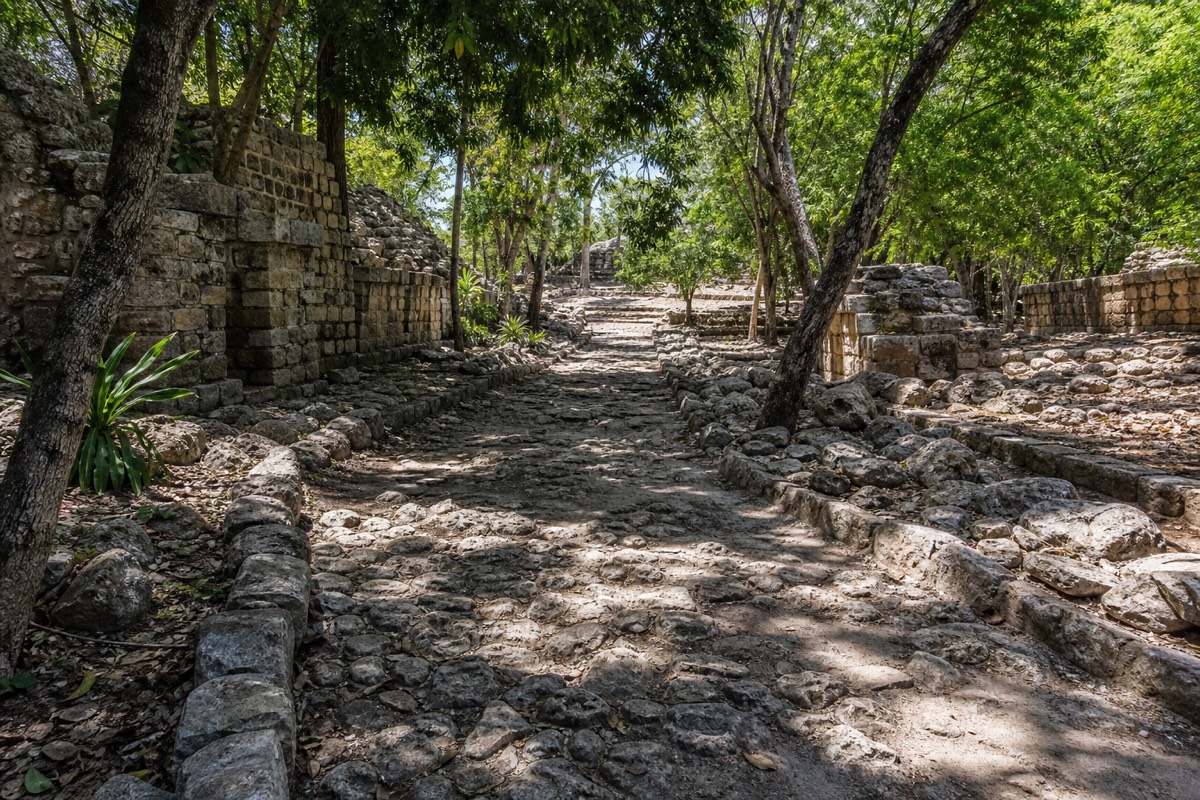
The steps of El Castillo are far steeper and narrower than modern stairs, with no rail, and a fall from height on ancient limestone is exactly as dangerous as it sounds. At the same time, Chichen Itza is not an amusement park ride, it is a UNESCO World Heritage monument and one of the New Seven Wonders of the World, drawing well over two million visitors a year. Every footfall wears the carvings a little smoother. The site is guarded and managed by Mexico's National Institute of Anthropology and History, and roping off the staircases was the only way to keep the pyramids standing for the next century. The dating of the exact year varies between sources, so what matters is the settled fact: for years now, no climbing.
What can you still do at the ruins?
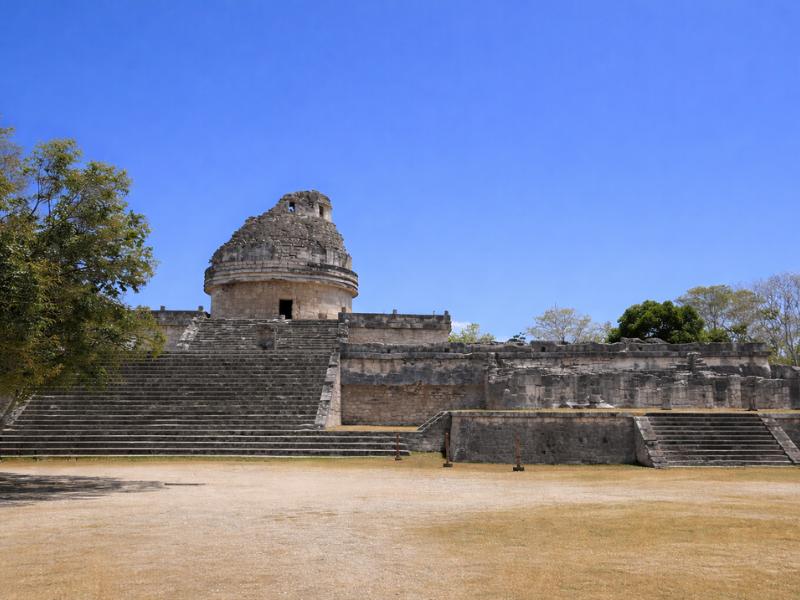
Plenty. You can walk right up to the base of El Castillo, circle it, photograph all four faces, and stand where the equinox shadow serpent appears in spring and autumn. You can explore the Great Ball Court, the Temple of the Warriors with its columns, the Sacred Cenote and the El Caracol observatory, all from ground level and all richer with a guide.
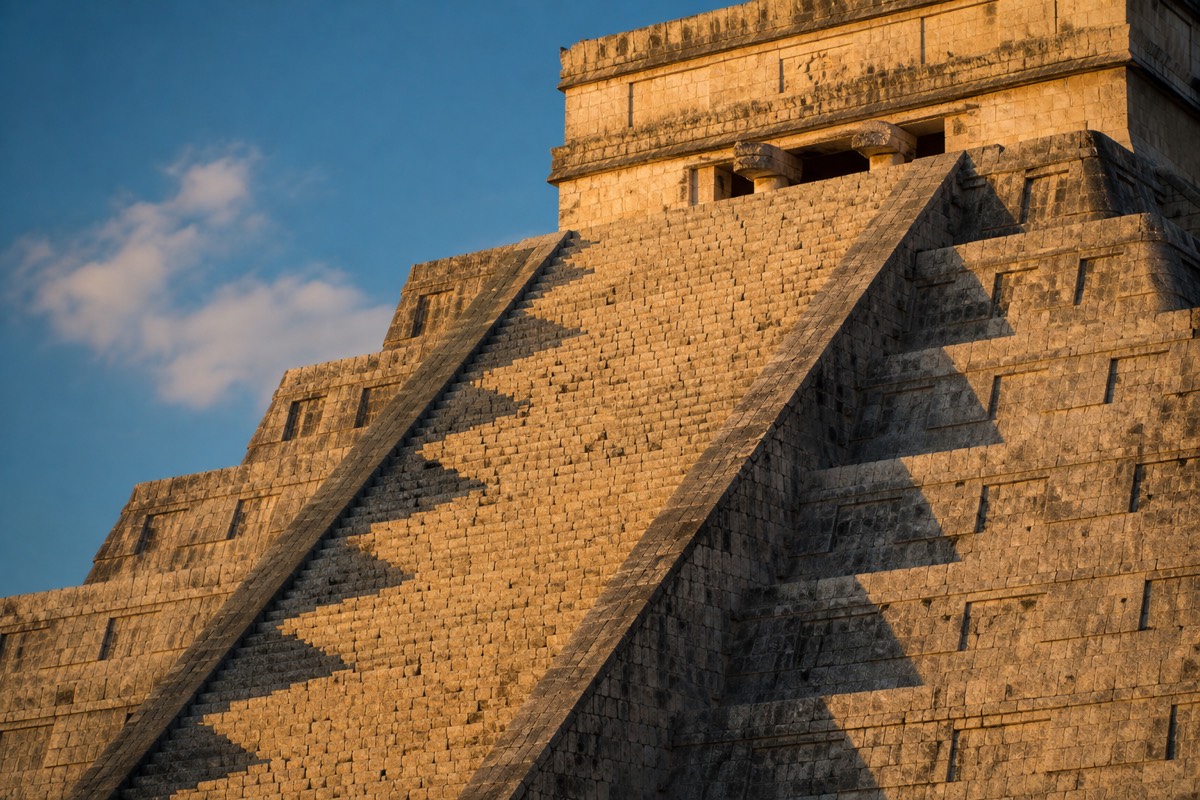
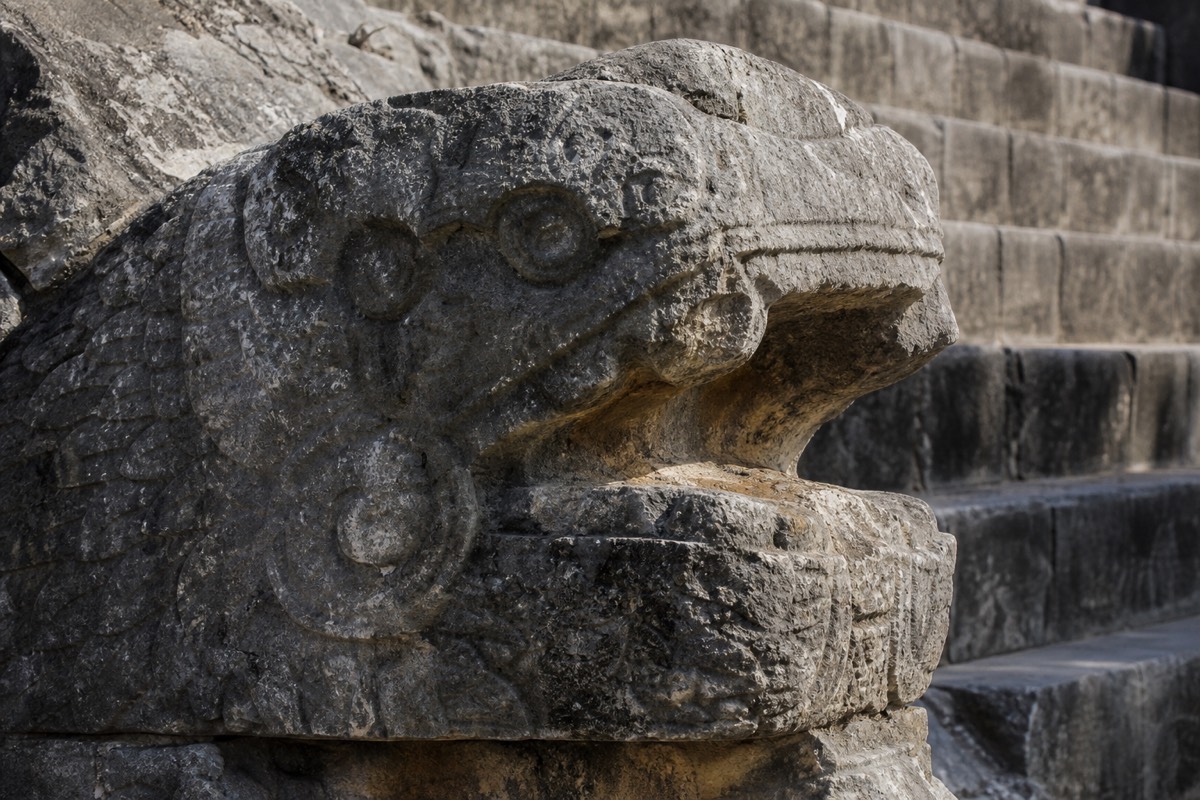
Losing the climb does not gut the visit. The most astonishing things about Chichen Itza are things you experience from the ground anyway: the acoustic echo at the ball court, the way El Castillo encodes the 365-day solar year, the Venus alignments a guide can point out at the observatory. Standing at the base and circling the pyramid, you actually see the four faces and the feathered-serpent heads far better than a climber ever did from the steps. A licensed guide is what converts a roped-off pyramid into a legible story, which is the whole case we make in our piece on whether you need a guide at the site. Our historian-guided experience is built exactly for this, a 30-year expert walking you through what you are looking at, since looking is now the whole point.
Which Maya pyramid can you still climb?
Ek Balam. About an hour from Chichen Itza sits a smaller, quieter Maya city whose main pyramid, the Acropolis, is still open to climb. From the top you get sweeping jungle views, and near the summit you pass some of the best-preserved stucco carvings in the region, including a dramatic monster-mouth doorway. It is the climb Chichen Itza no longer offers.
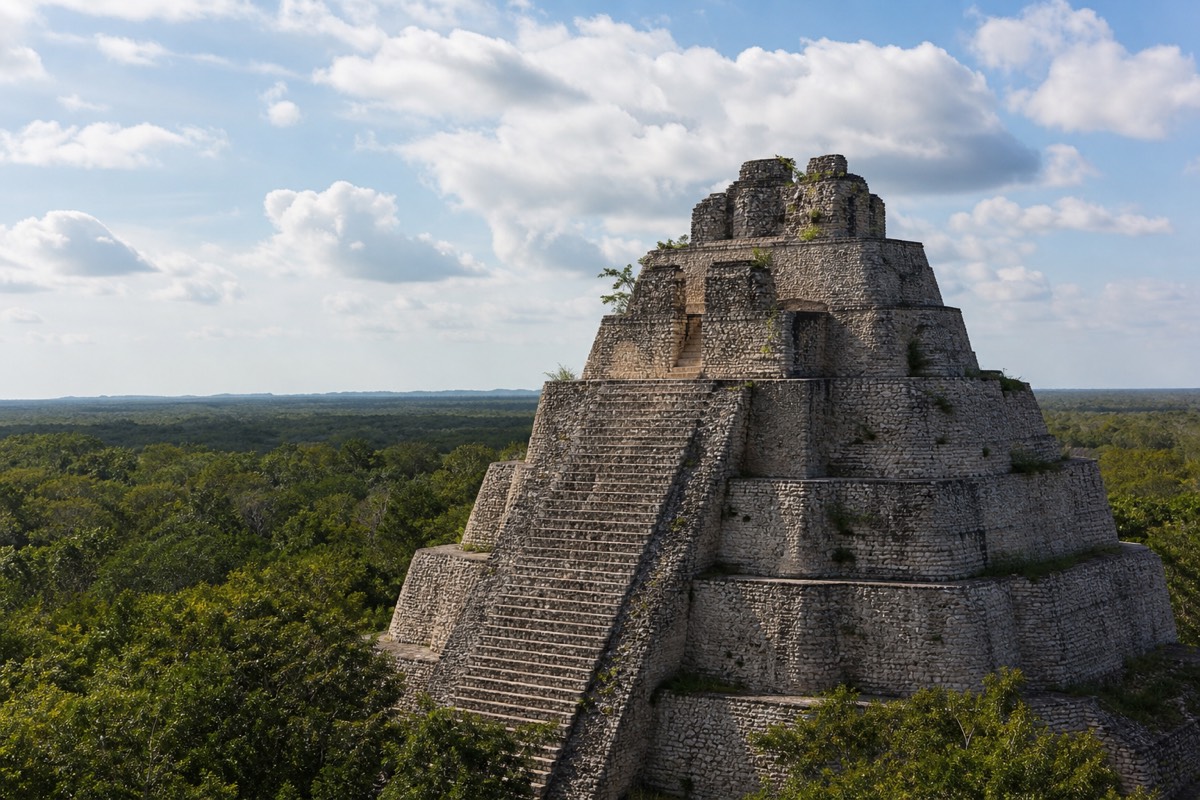
Ek Balam is the answer we give to disappointed climbers, and it is why we pair the two sites on one day. You get the wonder of Chichen Itza in the morning, then the physical thrill of actually scaling an ancient pyramid in the afternoon, followed by a cenote swim to cool off. Our Chichen Itza and Ek Balam private day tour runs this exact loop with a private guide and a cenote stop, and it carries a perfect rating from the groups who have taken it. For families in particular, the promise of a real climb keeps energy high through a long day, a point we expand on in the guide to visiting with kids.
How to make the most of a no-climb visit
Arrive early, take a guide, and treat the ground-level walk as the experience rather than a consolation prize. Get to the gate near the 8:00 AM opening before heat and crowds build, follow a licensed guide through the astronomy and acoustics, and add Ek Balam or a cenote if you crave something active. The visit rewards understanding far more than it ever rewarded a climb.
The travellers who leave happiest are the ones who reset their expectations before they arrive. You are not coming to conquer a staircase, you are coming to read a thousand-year-old city and stand inside one of the great achievements of the ancient Americas. Arrive near the 8:00 AM opening, before the buses and the worst heat, and the site is calm enough to hear your guide and frame a clean photo of El Castillo without a rope in the shot. Do that with an expert beside you and the closed-off steps stop mattering. Start by comparing our private Chichen Itza tours, and if the climb is a must, make the Ek Balam day your pick.