Skip the Line at Chichen Itza: How Private-Tour Entry Really Works (2026)
The queue at Chichen Itza is not one line, it is several, and on a bad morning it can eat an hour before you see a single stone. Here is how the entrance actually works, what it costs in 2026, and how a private tour gets you past it.
At a glance: the 2026 entrance fee
The two-part structure is fixed; the exact split shifts, so figures are planning allowances. Confirm the official price with INAH.
How do the queues at Chichen Itza work?
Chichen Itza does not have one line, it has a sequence: the parking payment, the ticket windows, and the turnstile bag check. On a busy late-morning arrival, when the coach fleets from Cancun land together, that sequence can cost the better part of an hour in full sun before you reach a single monument. The two levers that beat it are timing and pre-arranged entry.
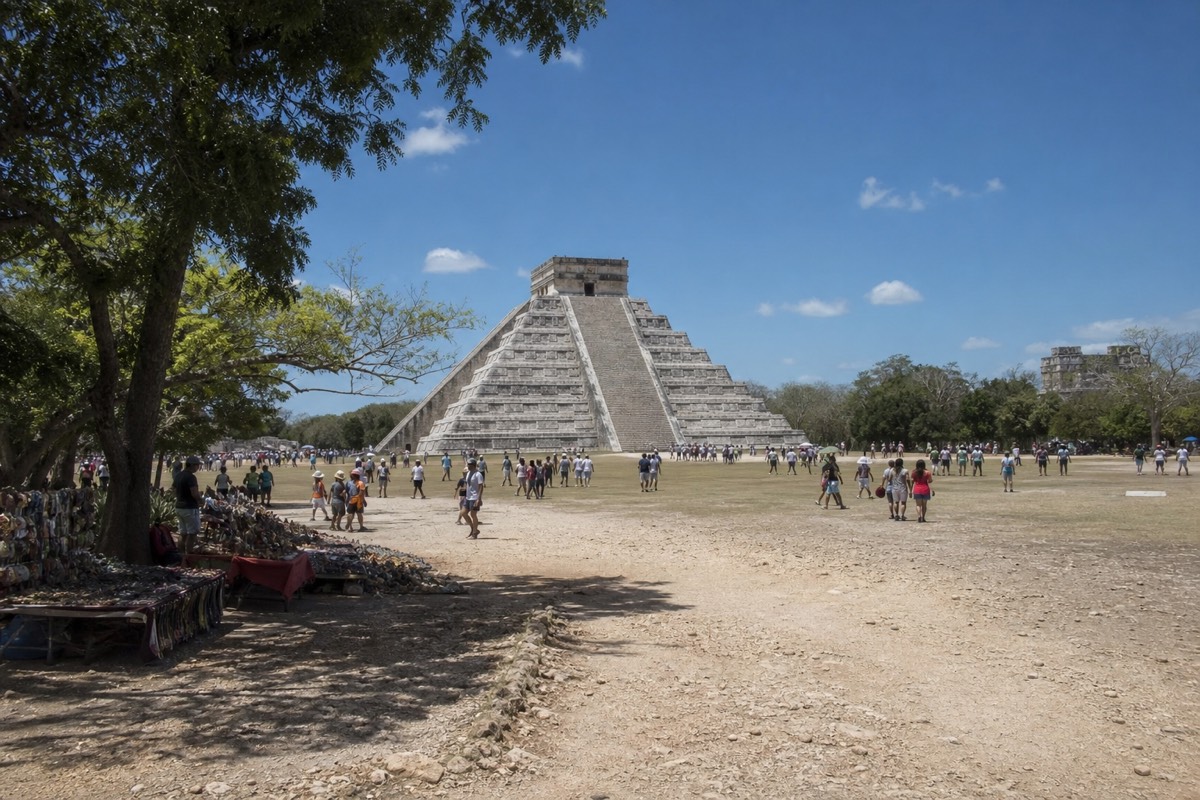
The site is run by INAH, Mexico's national institute of anthropology and history, alongside the state of Yucatan, and it opens at 8:00 AM year-round with last entry around 4:00 PM. The queues are not a sign of chaos, they are a function of volume. Chichen Itza is a UNESCO World Heritage site and a New Seven Wonder, and the independent coach tours from the coast are timed to arrive mid-morning. Land in that window and you queue behind hundreds of people at once.
The bottleneck is almost always the ticket windows, because admission is a two-part payment that everyone has to make. Skip that step, either by paying at the quietest hour or by having it pre-arranged, and the rest of the entry moves quickly. That is the whole game, and it is why the phrase skip-the-line means two different things that we will separate below.
It helps to picture the physical layout. You arrive at a large car park, pay for parking, then walk to a modern visitor building that houses the ticket windows, shops and restrooms. Beyond that is the turnstile and bag check that admits you to the archaeological zone itself. Each of those is a potential queue, but they are not equal. Parking and security move steadily. The ticket windows are where a mid-morning crowd genuinely stalls, because every independent visitor is processing the same two-part payment at the same handful of counters at the same time. That single choke point is the one worth engineering your day around.
What does "skip the line" really mean here?
Skip-the-line at Chichen Itza is not a special express gate. It means your tickets are handled ahead of time so you walk straight to the turnstiles instead of queuing at the windows, and it means arriving when the queue barely exists. A private tour delivers both: pre-arranged or bundled entry, plus an early start that puts you ahead of the coaches.
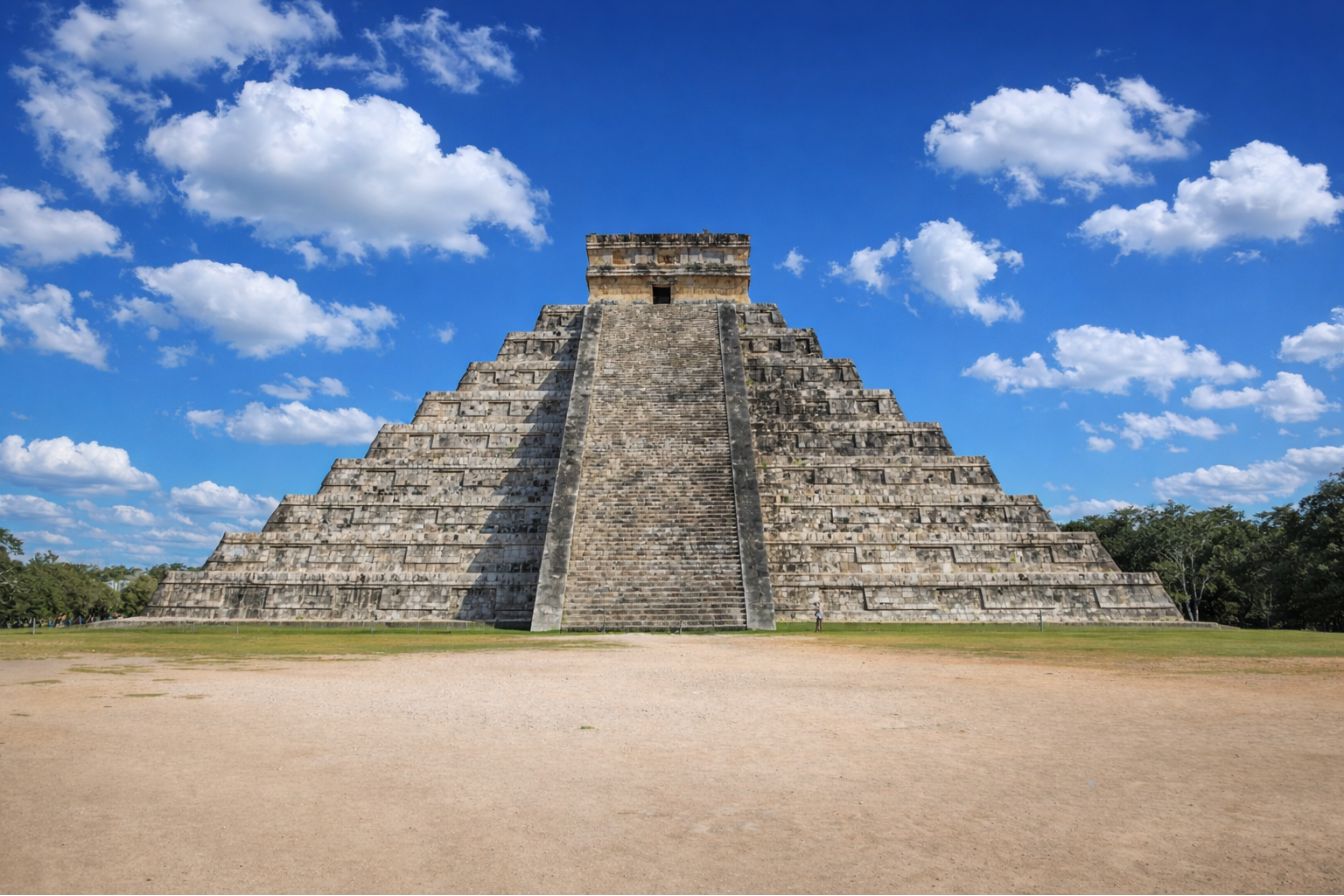
This matters because some travellers expect a velvet-rope fast lane and are surprised there is not one. Everyone passes through the same physical entrance. What changes is whether you are standing in the payment queue or bypassing it because your guide already holds the tickets. On the featured tours, admission handling ranges from fully bundled to guide-assisted, and the practical result is the same: your group does not lose thirty to ninety minutes at the windows during the peak arrival window.
Timing is the other half, and it is free. If you are at the gate for the 8:00 AM opening, there is very little line to skip, because the mass-market coaches have not arrived yet. Combine an early private start with pre-handled tickets and you have effectively removed the queue from your day. For how that early start fits the wider plan, see when to arrive.
What is the entrance fee in 2026?
Budget around MXN 600 to 700 total per foreign adult in 2026. That single figure is actually two charges added together: a smaller federal INAH admission and a larger Yucatan state fee. Children under 13 are generally free, and parking is separate at roughly MXN 80 to 150 per vehicle. These are planning allowances, so check the official price, which can change.
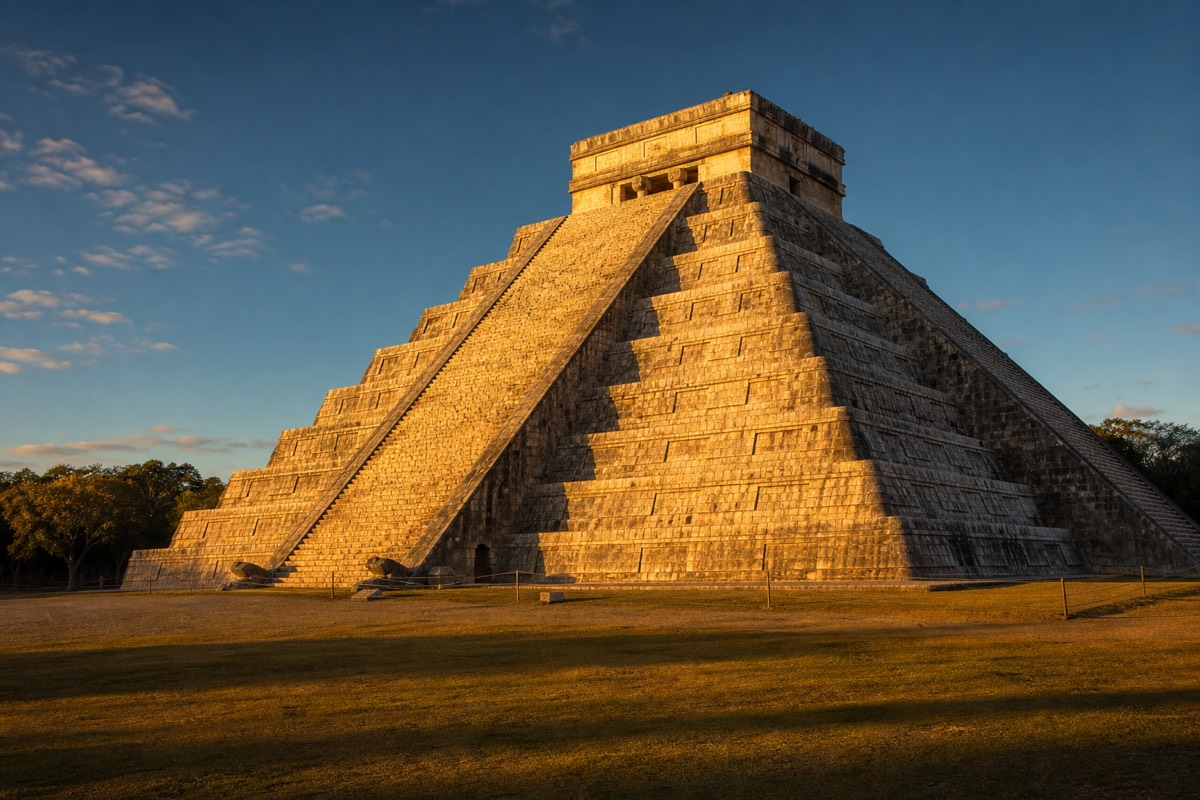
The two-part structure trips people up, because you effectively pay twice at the window for one visit. The federal portion goes to INAH for the archaeological zone, and the state portion is a Yucatan cultural fee. Together they land in the 600 to 700 range for foreign adults. The split below is approximate and shifts over time, so treat the sub-totals as estimates and the combined total as the number that matters.
| Ticket component | Who charges it | Approx 2026 (foreign adult) | Notes |
|---|---|---|---|
| Federal INAH admission | INAH (national) | Around MXN 100 | The smaller of the two parts |
| Yucatan state fee | State of Yucatan | Around MXN 500 to 570 | The larger share of the ticket |
| Combined total | Both, paid together | About MXN 600 to 700 | Allowance; confirm the official price |
| Parking | Site car park | About MXN 80 to 150 | Per vehicle, separate charge |
For a plain-language walkthrough of just the ticket, our blog on the entrance fee explained covers the same ground quickly. And for how admission sits inside the full price of a private day, our guide on what the whole day costs puts it in context.
Why two fees at all? The archaeological zone is federal patrimony managed by INAH, so a national admission applies at every major site in Mexico. On top of that, Yucatan levies its own state cultural fee, which is why the combined ticket at Chichen Itza runs higher than at many other ruins. The state share is the larger of the two and is the reason the total sits near the top end of Mexican site fees. Neither part is optional, and both are collected together at the window, so from a visitor's point of view it reads as one price even though it is administratively two.
The figures move over time, which is why every number here is a planning allowance rather than a quote. Mexican site fees are reviewed and adjusted, and the exact split between the federal and state portions can shift from year to year. The reliable way to confirm the current figure is at the source, through INAH, or simply to book a tour that bundles admission so the number stops being your problem. What is stable is the shape of it: a smaller federal charge, a larger state charge, and a combined total around MXN 600 to 700 for a foreign adult in 2026.
Fees by visitor type
Not everyone pays the same. Foreign adults carry the full two-part fee of around MXN 600 to 700. Mexican nationals and residents pay less with valid ID, children under 13 are generally free, and there are separate small charges for parking and, if you use one, a professional video permit. All figures here are planning allowances to confirm at the gate.
| Visitor type | Approx 2026 entrance | Notes |
|---|---|---|
| Foreign adult | Around MXN 600 to 700 | Two-part ticket combined |
| Mexican national or resident | Lower, with valid ID | Bring identification to qualify |
| Child under 13 | Generally free | Site admission for young children |
| Parking | About MXN 80 to 150 | Per vehicle |
If you are travelling as a family, the free child admission changes the math meaningfully, which we cover in the family guide. Carry a mix of cash and a card, since paying in cash at the window is reliable even when card readers are slow.
How private skip-the-line entry works
On a private tour, the operator either bundles your admission into the tour price or has your guide handle ticketing so your group moves straight to the turnstiles. Instead of standing in the two-part payment queue during the busy mid-morning, you are already inside. Several featured tours advertise this directly as skip-the-ticket-line entry.
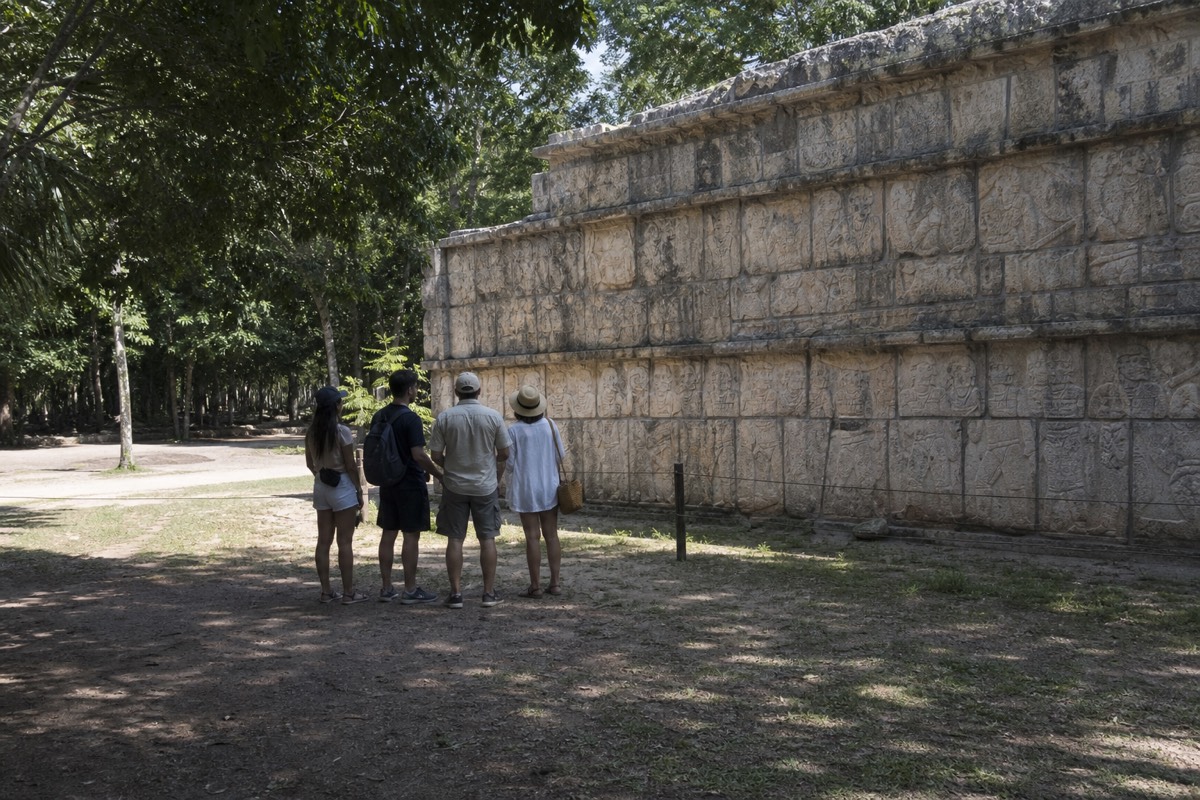
There are two mechanisms. In the bundled model, entrance fees are included and the operator manages everything, so you never touch the ticket window. In the assisted model, your guide buys or arranges the tickets on your behalf, often before you arrive, so the payment step is done ahead of the crowd. Both get you the same outcome, but only the bundled model means you have literally nothing to pay at the gate.
This is where reading the listing pays off. The full private day from Cancun includes skip-the-ticket-line entrance and a 7:00 AM pickup, arriving around 9:45 AM, which pairs bundled entry with an early landing. The historian with pre-arranged entry assists with tickets so you bypass the long lines, though admission itself is paid separately and you arrange your own transport. The two-site day with entry included covers all tickets and fees across both Chichen Itza and Ek Balam. Whether you also want a guide at all is worth weighing in our take on whether you need a guide.
The historian-led option is a useful case study in how assisted entry works when the fee is not bundled. That tour is a meeting-point experience: you make your own way to the entrance, where a licensed guide with more than thirty years at the site helps you secure tickets and move through quickly, then leads a focused two-hour walk of the northern monuments before the coach groups arrive. At $123 it is the most affordable of the featured tours precisely because it strips out transport and admission, leaving you the expertise and the queue-beating know-how. For travellers already staying in Valladolid or driving themselves, that trade can make a lot of sense, as long as you go in understanding that you still pay the two-part fee at the gate.
There is also a timing benefit that has nothing to do with tickets. A guide who runs this site daily knows the choreography of the crowd, that the big groups cluster in the north near El Castillo first, so starting elsewhere and looping back can mean quieter monuments and cleaner photos even on a busy day. That kind of local sequencing is invisible on a listing but obvious on the ground, and it is one of the underrated reasons a private, guide-led entry feels smoother than the same visit done cold.
Ticket window versus pre-arranged entry
Paying at the window yourself is cheaper on paper and slower in practice; pre-arranged entry costs more but hands you back the morning. The gap is widest during the mid-morning coach surge, when the window queue can run half an hour or more, and narrowest at the 8:00 AM opening, when there is barely a line either way.
| Factor | Ticket window (independent) | Pre-arranged (private tour) |
|---|---|---|
| Queue at peak | 30 to 90 minutes possible | Straight to the turnstiles |
| Cost | Just the two-part fee | Fee plus the tour's convenience |
| Payment hassle | Two charges at the window | Handled or bundled for you |
| Best case | Arrive at 8:00 AM, short line | Any arrival time stays smooth |
| Worst case | Mid-morning crush in the sun | Weather and crowds only, no queue |
The honest read is that if you arrive independently at exactly 8:00 AM on a quiet day, the window is not painful. The problem is that most independent visitors cannot control their arrival time, because they are on a shared coach that lands mid-morning by design. A private tour is what lets you choose the arrival hour, which is the real reason its entry feels effortless.
Which private tours include your entrance?
Admission handling splits the featured tours into two camps: those that bundle all entrance fees, and those that leave the fee for you while still helping you skip the queue. The full-day and multi-site tours tend to include everything; the guide-only and transport-only options tend not to. Always confirm on the live listing before booking.
| Private tour | Hours | From | Entrance handling |
|---|---|---|---|
| Full private day from Cancun | 12 | $1000 | Skip-the-ticket-line entry included |
| Ek Balam and cenote day | 12 | $457 | All tickets and fees included |
| Ik Kil, Rio Lagartos and Las Coloradas | 12 | $724 | All entrance fees and taxes included |
| Historian-guided site walk | 3 | $123 | Ticket assistance; admission paid separately |
| Set-your-own-schedule van | 10 | $655 | Transport only; entrance fees not included |
The pattern is clear. If you want to arrive and pay for nothing at the gate, choose a tour that bundles entry, such as the full day or the Ek Balam two-site loop. If you have picked a guide-led walk or a transport-focused van, plan to pay the two-part fee yourself, and let the guide or driver steer you past the worst of the queue. Either way, the private structure keeps you out of the mid-morning crush.
The best time to arrive
Arrive at the 8:00 AM opening. It is the single most effective thing you can do, free and reliable. The independent coaches from Cancun land between roughly 10:00 and 11:00 AM, so being inside at opening means cool air, thin crowds and almost no queue. Late afternoon also clears as the buses leave, but you trade away the best light.
| Arrival window | Queue and crowd | Conditions |
|---|---|---|
| 8:00 AM opening | Minimal; you are ahead of the coaches | Coolest air, best photos, easiest entry |
| 10:00 to 11:00 AM | Peak; coach fleets converge | Longest window queues, rising heat |
| Midday | Heavy; crowds and heat both peak | The worst combination of the day |
| After 3:00 PM | Thinning as buses depart | Cooler, softer light, last entry around 4:00 PM |
This is why our team departs so early on transfer tours. A 7:00 AM pickup from the coast is not an inconvenience we apologise for, it is the mechanism that gets you through the gate before the queue forms. By the time the mid-morning crowds arrive, an early group is already deep into the site with photographs the later arrivals will never get.
The heat argument reinforces the queue argument, which is convenient because both point to the same early start. The site is open white stone with little shade, and summer afternoons run 33 to 38 degrees Celsius, feeling hotter with humidity. Standing in a ticket queue at 11:00 AM in that heat is miserable in a way that morning arrivals simply skip. Walk the monuments between 8:00 and 10:00 AM and you get the cool air, the empty plazas and the soft light all at once, then you are free to move on before the day turns hostile. Late afternoon is the fallback if a morning start is impossible, since crowds thin as the coaches leave, but you are then racing the roughly 4:00 PM last-entry cutoff.
A fast-entry morning, minute by minute
A smooth entry runs on a tight, early schedule: leave the coast around 7:00 AM, reach the gate before the coaches, walk straight through pre-arranged turnstiles, and be standing at El Castillo while the plaza is still quiet. The whole entrance, from car park to first monument, should take minutes rather than an hour.
| Time | Step | What it avoids |
|---|---|---|
| 7:00 AM | Private pickup on the coast | Coach-station queues and shared schedules |
| By 8:00 AM | At the gate as the site opens | The mid-morning arrival surge |
| 8:00 to 8:10 AM | Parking paid, bags checked | The long car-park and security backup later |
| 8:10 AM | Straight through with pre-arranged tickets | The two-part payment queue at the windows |
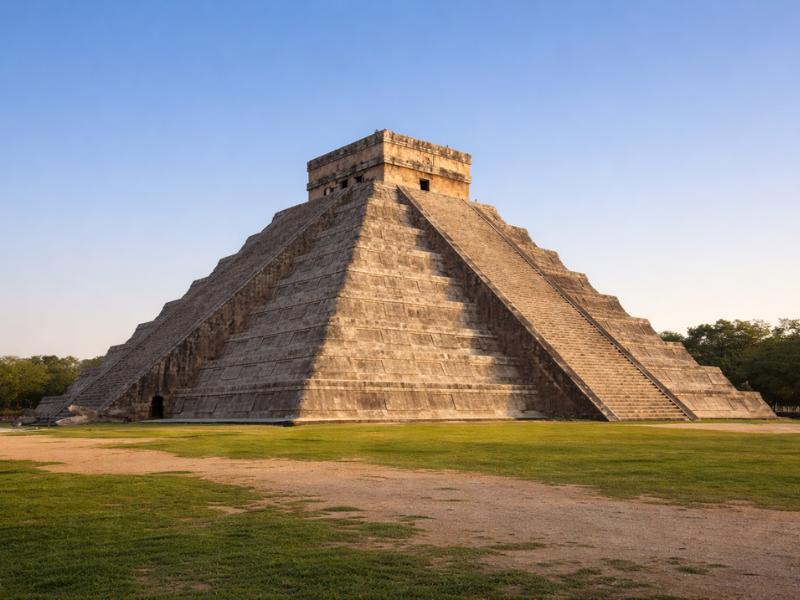
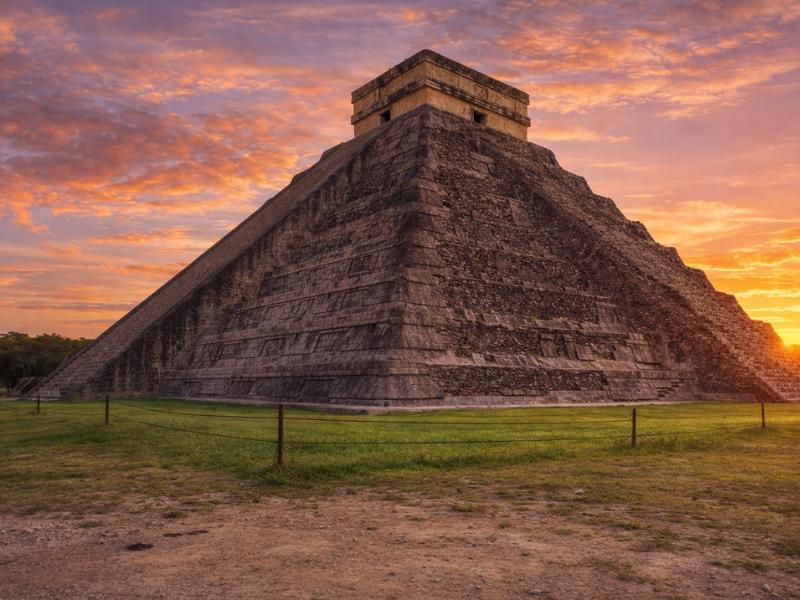
| 8:15 AM | Standing at El Castillo, near-empty plaza | Crowded sightlines and harsh midday light |
Compare that with a typical independent morning: a shared coach leaving late, arriving into the surge, and a group of forty filing through the ticket windows together. The difference is not a secret gate, it is sequencing, and sequencing is exactly what a private tour controls.
What slows you down at the gate
Most delays are avoidable. The big ones are arriving mid-morning with the coaches, queuing at the two-part ticket windows, fumbling payment, and getting caught in the car-park and bag-check backup. Handle tickets ahead of time, arrive at opening, and carry cash as a backup, and the gate stops being a problem.
| Slow-down | Why it happens | Fix |
|---|---|---|
| Mid-morning arrival | Coach fleets land together | Arrive at the 8:00 AM opening |
| The two-part ticket window | Everyone pays two charges here | Pre-arranged or bundled entry |
| Slow card readers | Peak demand, patchy signal | Carry cash as a backup |
| Car park and bag check | Volume at peak hours | Beat the crowd by arriving early |
| Large group filing in | Shared coach tours move as one | A private group moves at your pace |
Cash versus card is the last small thing worth planning. The windows accept both, but card readers slow down under peak demand and patchy signal, and a declined card at the front of a long queue is a genuine headache. Carry enough pesos to cover the full two-part fee and parking as a backup, even if you intend to pay by card. If your tour bundles admission, this stops mattering entirely, which is one more quiet argument for the bundled options: the single most reliable way to never queue for a ticket is to have no ticket to buy.
Put it together and the recipe is short: go early, have entry handled, and travel as a private group rather than a coach load. Do that and the queue, the thing that quietly ruins so many first visits, simply stops applying to you. To lock in an early start with entry sorted, browse our private Chichen Itza tours and pick the option that bundles what you want handled.