Is Chichen Itza Really Worth It?
The short answer is yes. The longer answer is about how you visit, not whether you should.
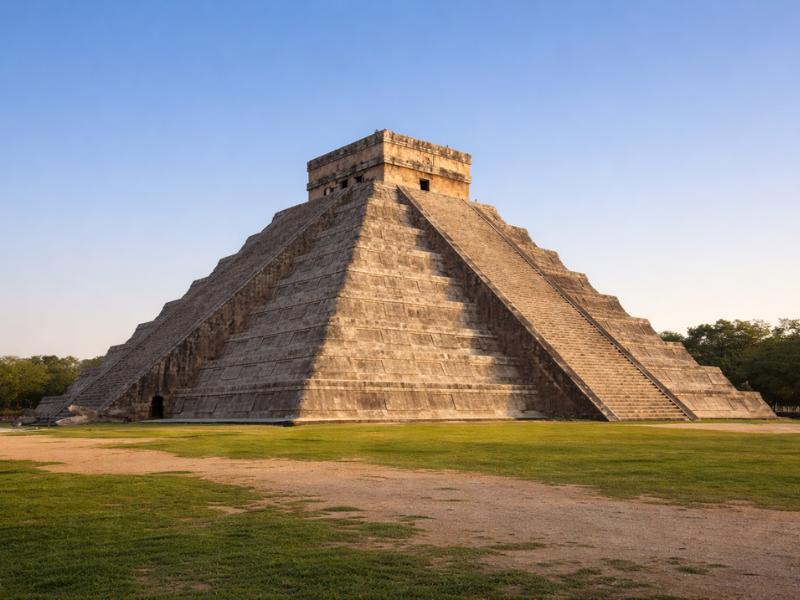
Yes, Chichen Itza is worth it. It is one of the New7Wonders of the World, a UNESCO World Heritage site, and the best-restored major Maya city on the Yucatan peninsula. El Castillo alone justifies the trip, and the ball court, observatory, and Temple of the Warriors round out an afternoon that few ancient sites can match. The real variable is how you time and guide your visit.
Travellers who leave disappointed almost always made the same two mistakes: they arrived at midday into the heat and the crowds, and they walked the ruins with no idea what they were looking at. Get those right and Chichen Itza is a highlight of any Mexico trip. Here is the case for going, the downsides worth knowing, and how to tip the day in your favour.
Why Chichen Itza is worth the trip
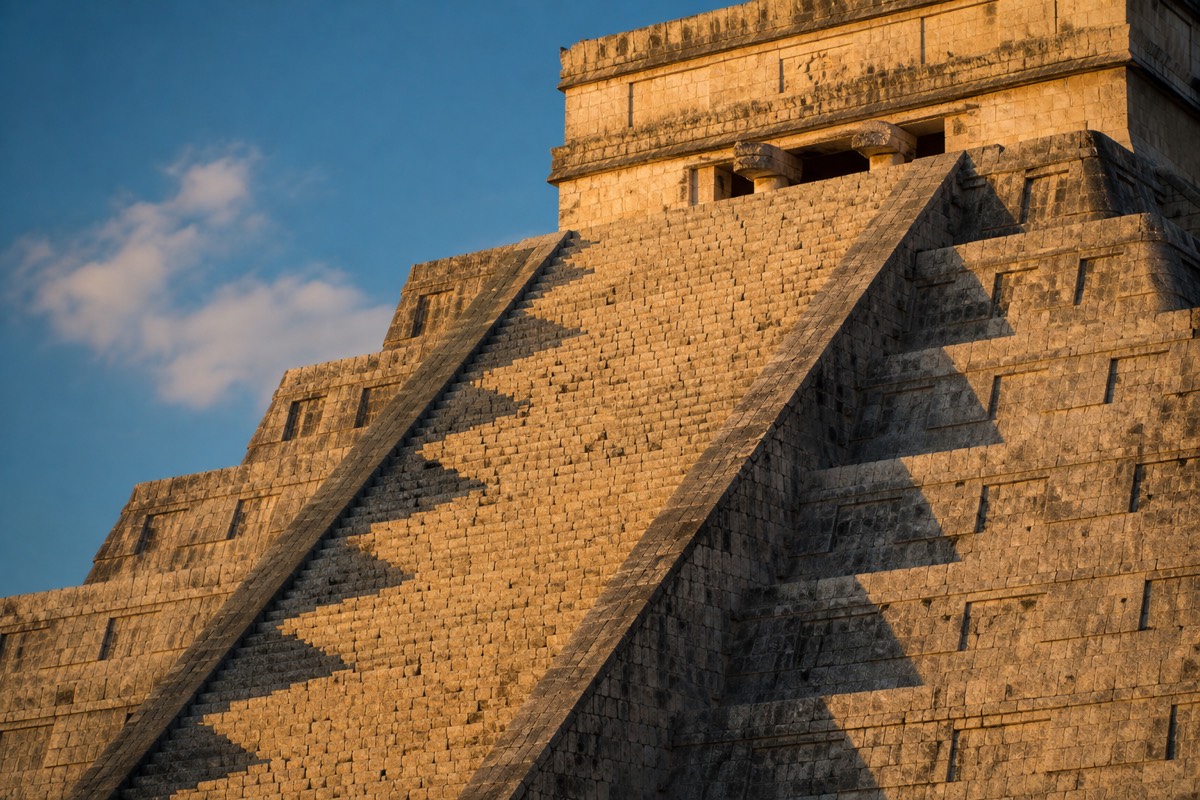
Chichen Itza is worth it because it packs a working Maya calendar, an acoustic ball court, and an astronomical observatory into one walkable site. El Castillo is engineered so a shadow-serpent slithers down its steps at the equinoxes, and a handclap at the ball court returns a bird-like echo. It earned its UNESCO listing and its place among the New7Wonders for good reason.
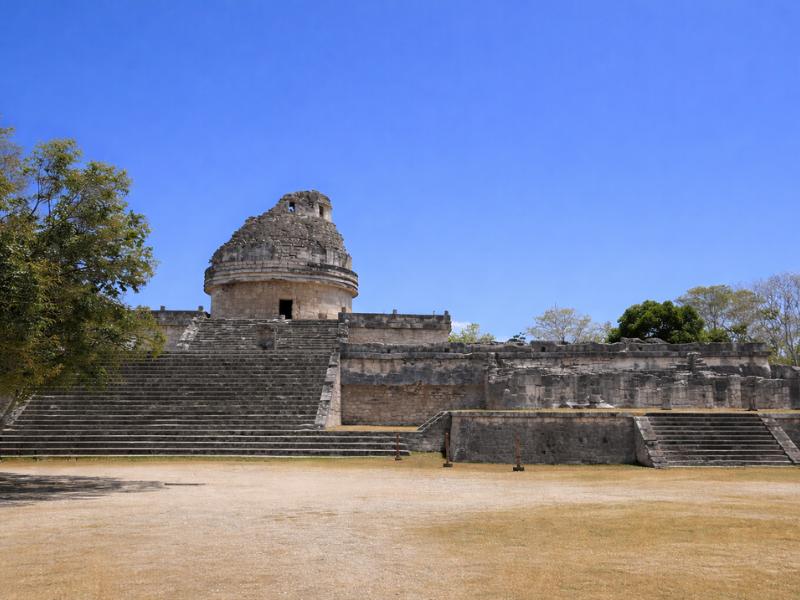
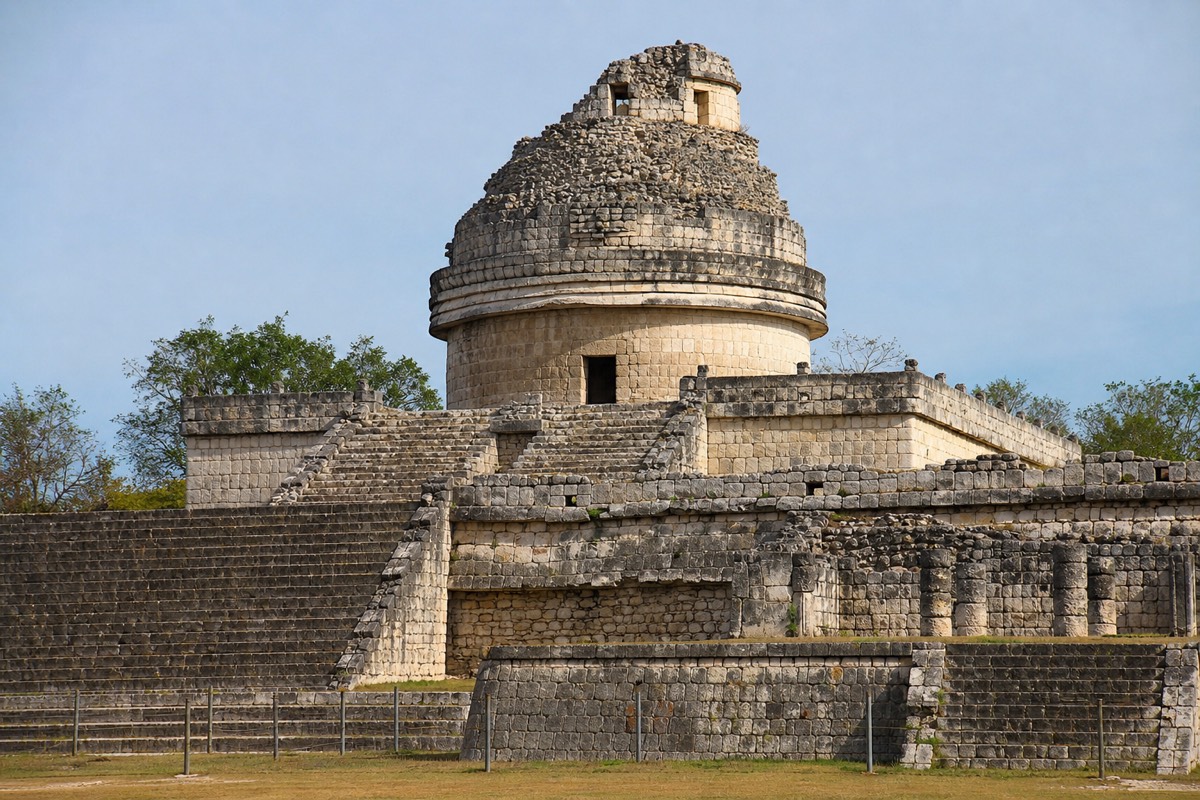
The city was a major Maya political and economic center, and the restoration lets you read that story on the ground. You stand below a pyramid built as a stone almanac, cross the largest ball court in Mesoamerica, and look up at El Caracol, whose windows line up with the movements of Venus. You can dig into the full inscription on the UNESCO World Heritage listing, or read why it was named one of the New7Wonders of the World. Very few day trips from Cancun deliver that density of history.
There is also the Sacred Cenote, the great natural well where the Maya made offerings, and the Temple of the Warriors with its rows of carved columns. Walking between them, you start to feel the scale of a city that once held real political and religious power over the region. It is the kind of place that reads as impressive in photos and far more impressive in person, especially with someone to explain what you are standing in front of.
The honest downsides worth knowing
The downsides are real but manageable: it gets hot and crowded by late morning, there is almost no shade, you cannot climb any of the structures, and vendors line the inner paths. None of these ruin the visit, but all of them are worse if you arrive at the wrong time and without a plan. Timing solves most of it.
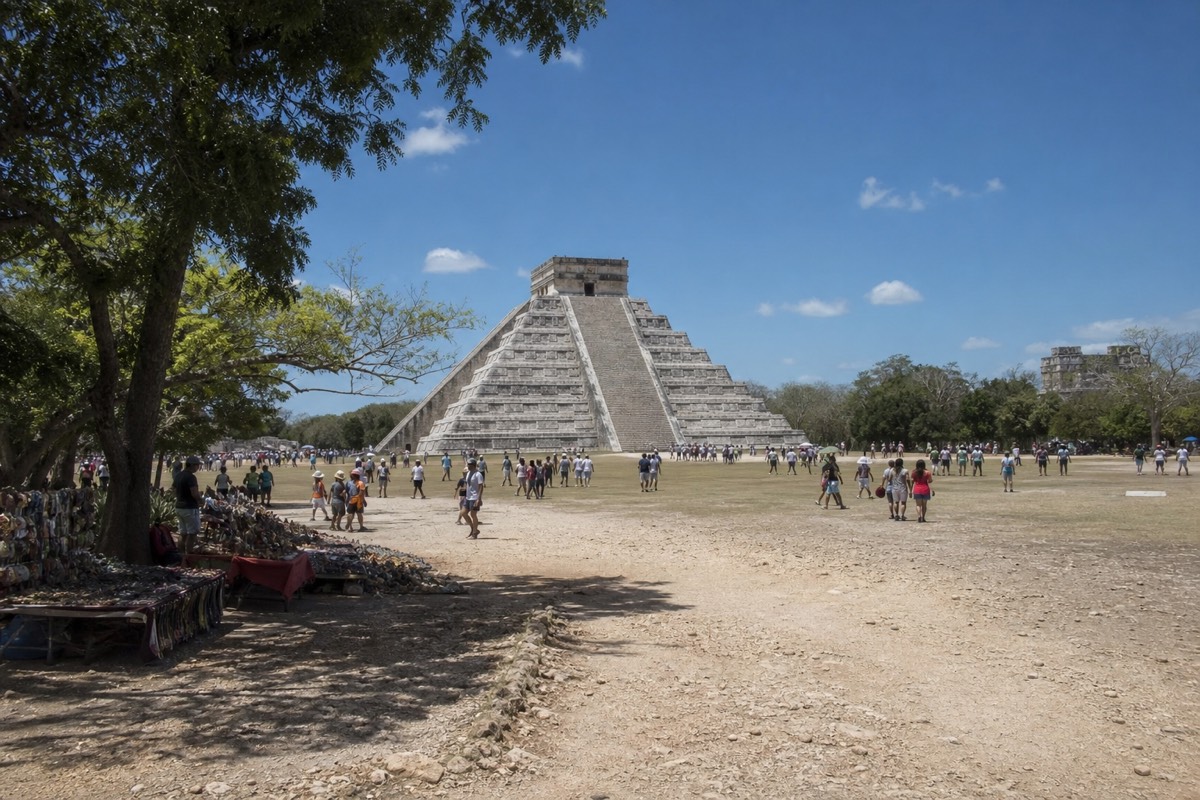
Midday between 10 AM and 2 PM is the crush, when the big coaches unload and temperatures climb past 35C in summer. Climbing El Castillo has been prohibited for years, since a fatal fall in the mid-2000s, so the pyramid is a view rather than a scramble. The vendors are persistent but easy to wave off. The single best fix for all of it is to arrive right at the 8 AM opening or after about 3 PM, which our guide on the best time to visit the site covers in detail.
What else is worth seeing nearby?
Chichen Itza pairs well with several nearby sights that make the long drive earn its keep: a cenote swim to cool off, the colonial Pueblo Magico of Valladolid, the still-climbable pyramid at Ek Balam, and the all-yellow town of Izamal. Folding one or two of these into the day is what turns a single-stop visit into a genuinely full Yucatan outing.
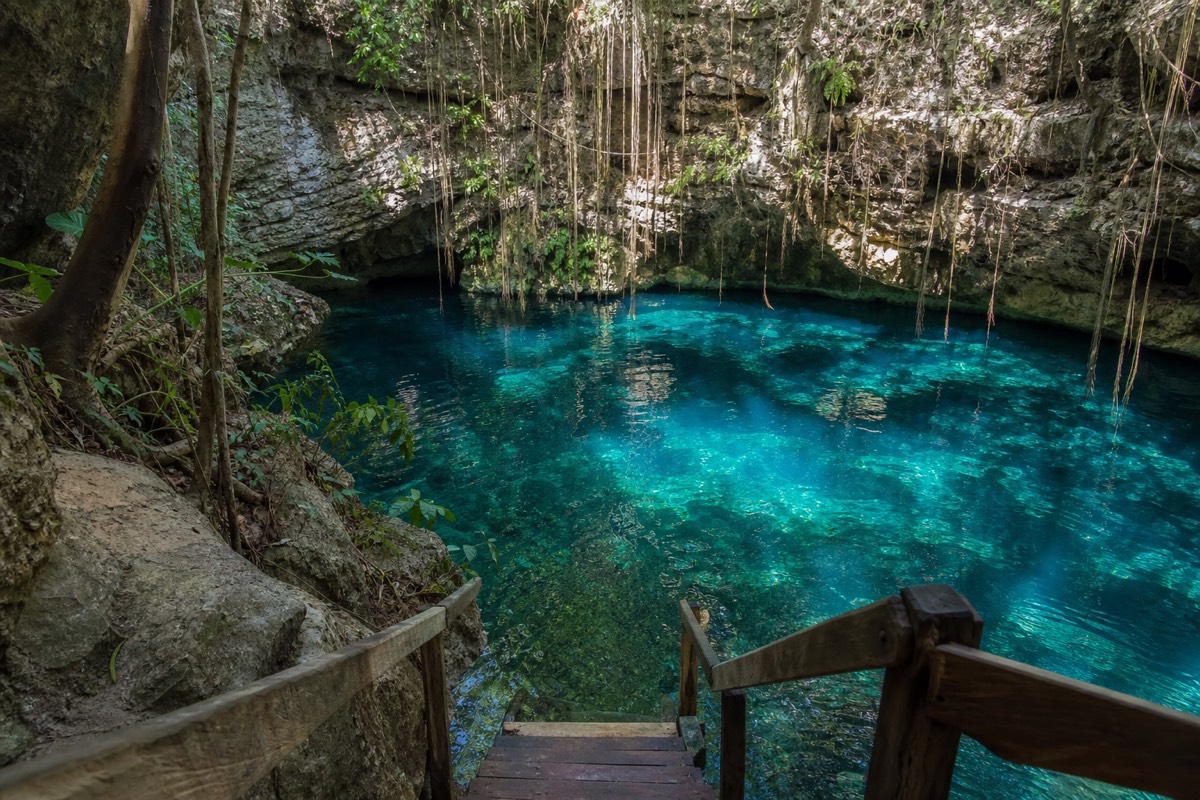
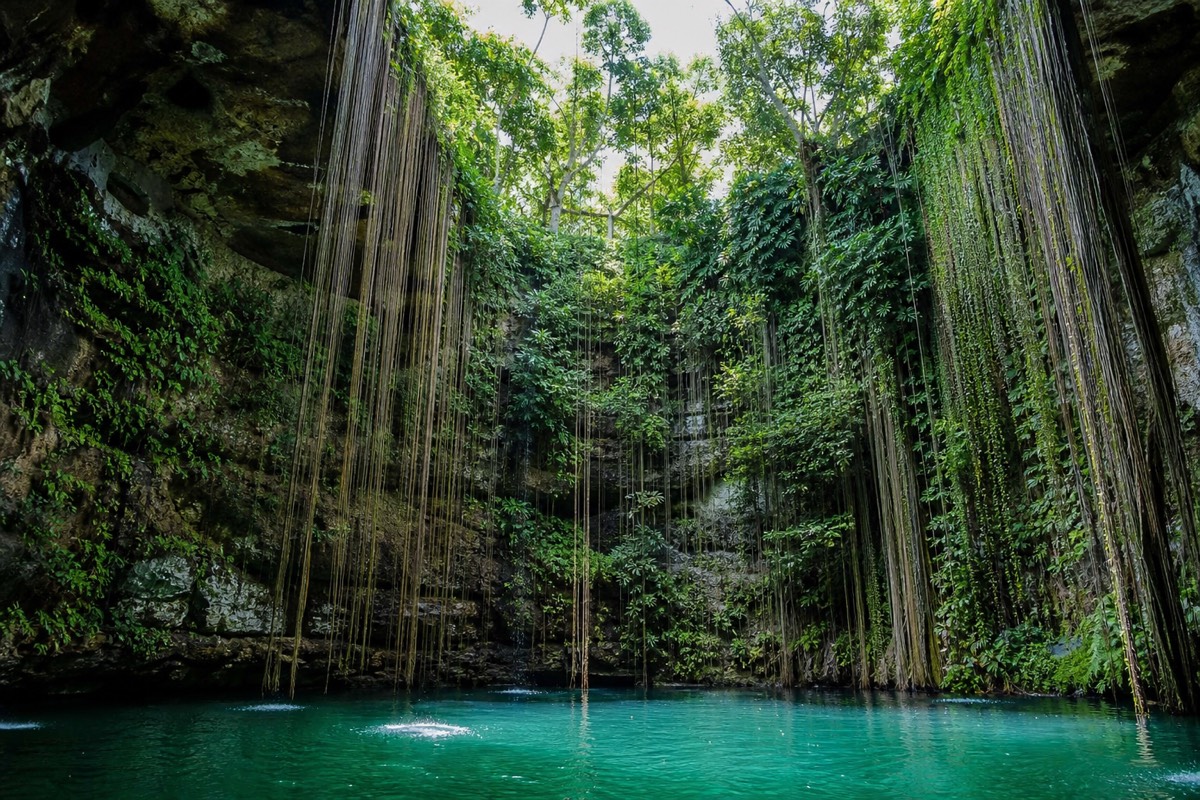
A cenote is the most popular add. Ik Kil, with its hanging vines, sits minutes from the ruins, and quieter pools like Yokdzonot or Suytun offer the same cool green water with fewer people. Valladolid, about 45 minutes away, is a relaxed lunch stop for cochinita pibil and a walk around its cathedral square. If you want to actually climb something, Ek Balam's acropolis remains open to climbers and rewards you with jungle views, a contrast worth knowing when you cannot climb El Castillo itself. Our take on the best cenote to pair with the ruins helps you choose.
How to make it more than worth it
The surest way to make Chichen Itza worth it is a private tour that arrives early and comes with a real guide. Beating the buses gives you clear photos and cool air, and a licensed guide turns anonymous stone into a story you remember. Add a cenote swim on the way back and the long day earns its place easily.
A guide is the difference between a nice walk and a genuine understanding of the place. On our historian-guided experience, a specialist with a history degree and 30 years on site helps you skip the ticket queue and explains what each structure meant. If you want the whole day handled from the coast, the full private day from Cancun starts with a 7 AM pickup, reaches the gates before the crowds, and finishes with a swim in a jungle cenote.
Not sure a guide is essential? Our take on whether you need a guide at Chichen Itza is honest about when you can go without one. Either way, browse the options on our private Chichen Itza tours and pick the pace that fits your trip. Worth it is rarely in doubt. Worth doing well is the part you control.